
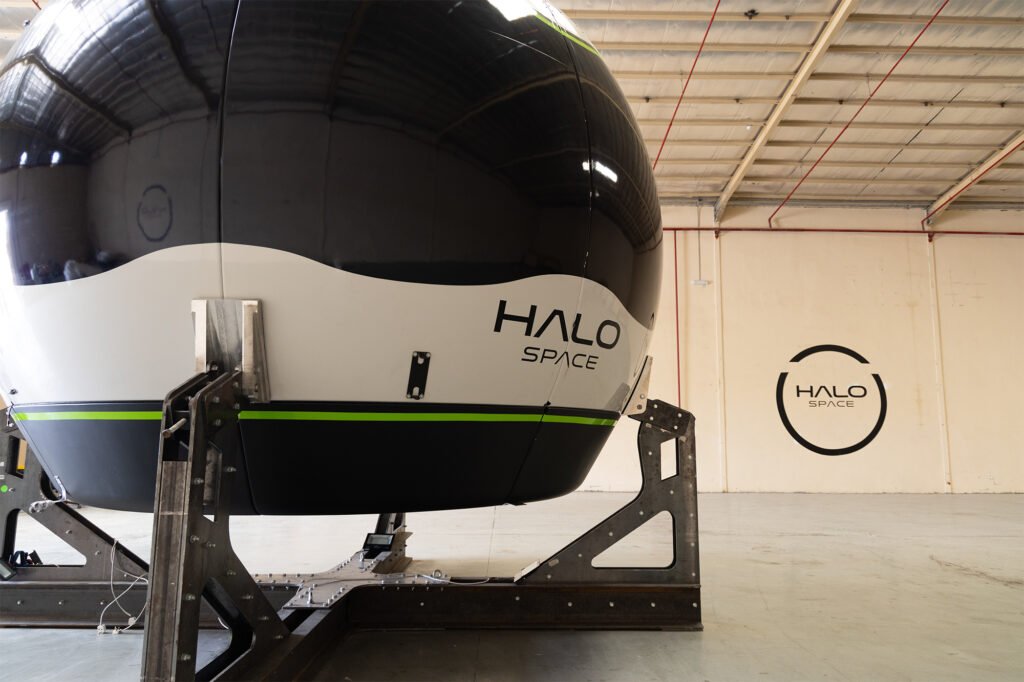
HALO Space, the near-space tourism pioneer, has revealed an ambitious 10-year plan to make journeys to the edge of space a real experience for travelers. And leading the way is the Kingdom of Saudi Arabia, set to become the first country in the world to host commercial near-space flights.
The announcement landed at the inaugural TOURISE Summit in Riyadh — a global gathering where industry leaders, innovators, and visionaries come together to shape the future of tourism worldwide.
HALO Space has already taken major strides toward making near-space travel a reality. The company has completed five uncrewed test flights of its Aurora capsule, carried by a stratospheric balloon to an altitude of 37 kilometers (121,000 feet). Each flight helped validate the capsule’s key systems and brought HALO one step closer to welcoming real passengers.
Beginning in 2029, HALO plans to expand its operations to several countries, including the United States, Australia and Spain. In Saudi Arabia, the team is currently evaluating three potential bases, working closely with the Kingdom’s aerospace and tourism authorities. Each site offers its own dramatic backdrop — from sweeping desert horizons and rich cultural heritage to coastal landscapes paired with luxury hospitality. HALO is also exploring future bases across Africa, Asia and South America as it positions itself to lead the fast-emerging near-space travel market.
The company also introduced HALO Hospitality, a luxury tourism experience built around its spaceflight operations. Travellers will be able to design bespoke itineraries that blend wellness, adventure, nature, culture, heritage and world-class dining.
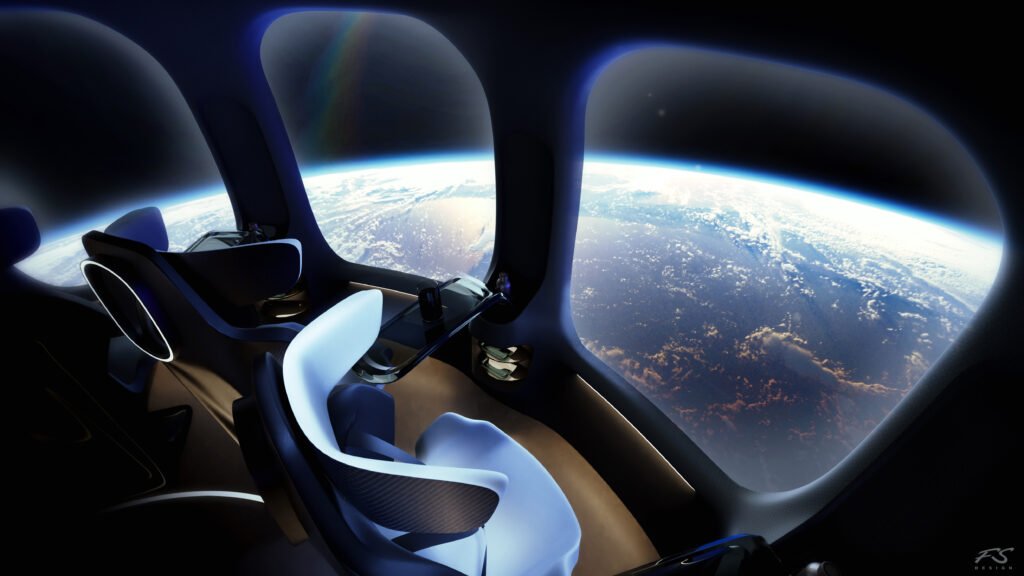
At the heart of the vision is a new era of stratospheric flight. Passengers will travel in a pressurized capsule lifted by a gas balloon — no rockets, no emissions. Over a journey lasting up to six hours and reaching 35 kilometers above Earth, guests will enjoy near-360° views through panoramic windows, taking in the planet’s curve and its shimmering blue halo against the darkness of space — a sight experienced by only a handful of humans in history.
Looking ahead, HALO CEO Carlos Mira revealed the company’s ambition to develop Stratospheric Re-entry Vehicles (SRVs) by 2032—craft designed to glide and touch down on conventional runways, broadening public access to near-space adventures.
“By 2030, more than 1,000 passengers will have flown with HALO, and by 2035, we expect to host over 15,000 passengers, allowing them to witness the ‘overview effect,’ a transformative view of Earth from space that’s been reserved only for astronauts until now,” said Mira. Only about 700 humans have experienced the overview effect since the first crewed space mission in 1961. “We want to provide that experience to people all over the planet,” Mira added, “and to do so in a sustainable way without the expense or environmental impact of a rocket flight.”
Read More: Aviation





Leave a Reply