
Vietnam is located in Southeast Asia, bordering China, Laos, and Cambodia, with an expansive coastline along the South China Sea. It’s a country where you can spend your morning lost in a sea of motorbikes and your afternoon sitting by a quiet lake, sipping their famous Vietnamese coffee.
The energy is infectious, the food is world-class, and the natural beauty is simply breathtaking. In 2026, Vietnam has become a leader in sustainable travel, making it easier than ever to explore these iconic spots while respecting the local environment. So if you are planning your first trip or your third, here are the 10 places in Vietnam that absolutely deserve to be on your list.
01. Halong Bay
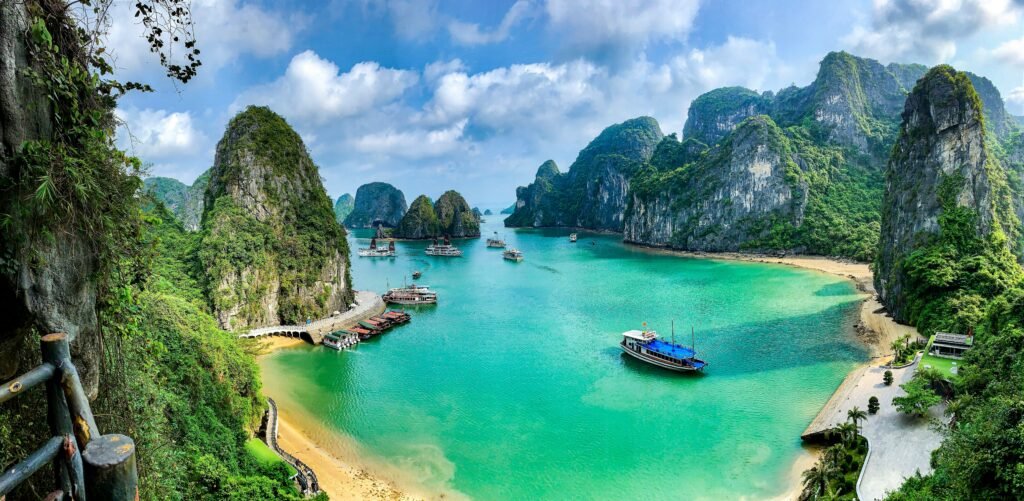
Halong Bay is the image most people picture when they think of Vietnam — and it earns every bit of that reputation. Spread across roughly 1,553 square kilometres of emerald water, the bay contains over 1,600 limestone karsts and islands rising dramatically from the sea. UNESCO recognised it as a World Heritage Site in 1994, and a second time in 2000 for its outstanding geological and geomorphological values.
The best way to see it is on an overnight cruise, where you can kayak through hidden lagoons, squeeze into dark sea caves like Sung Sot (Surprise Cave), and watch the morning mist roll slowly off the water at dawn. Cat Ba Island, the largest island in the bay, is a great base if you prefer staying on land and exploring the national park on foot or by bike. Avoid the height of summer when the crowds peak, and aim for October through December when the skies are clearer, and the water turns a deeper shade of blue-green.
02. Hoi An Ancient Town
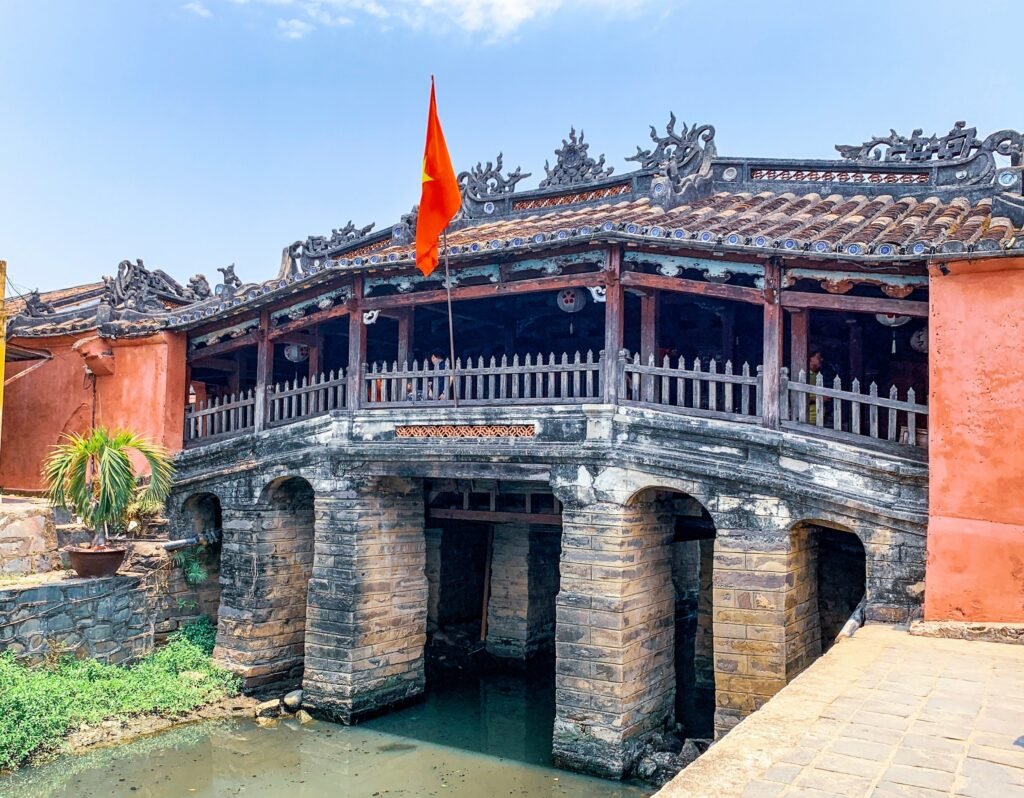
Hoi An is arguably the most charming town in Southeast Asia. The ancient town, also a UNESCO World Heritage Site since 1999, is a beautifully preserved trading port dating back to the 15th century. Walking its streets at night, when hundreds of hand-painted silk lanterns cast the whole place in warm amber and red, is one of the most genuinely magical experiences Vietnam offers.
By day, you can visit the Japanese Covered Bridge (Chùa Cầu), a 400-year-old wooden bridge that has become the town’s most iconic symbol. Hoi An is also famous for its tailors, who can craft custom clothes in 24 hours, and for its food, particularly white rose dumplings, cao lầu noodles, and bánh mì from Bánh Mì Phượng, which Anthony Bourdain once called “the best bánh mì in the world.” An Bàng Beach is just a 10-minute bike ride away for a quiet afternoon by the sea.
03. Sapa & the Rice Terraces
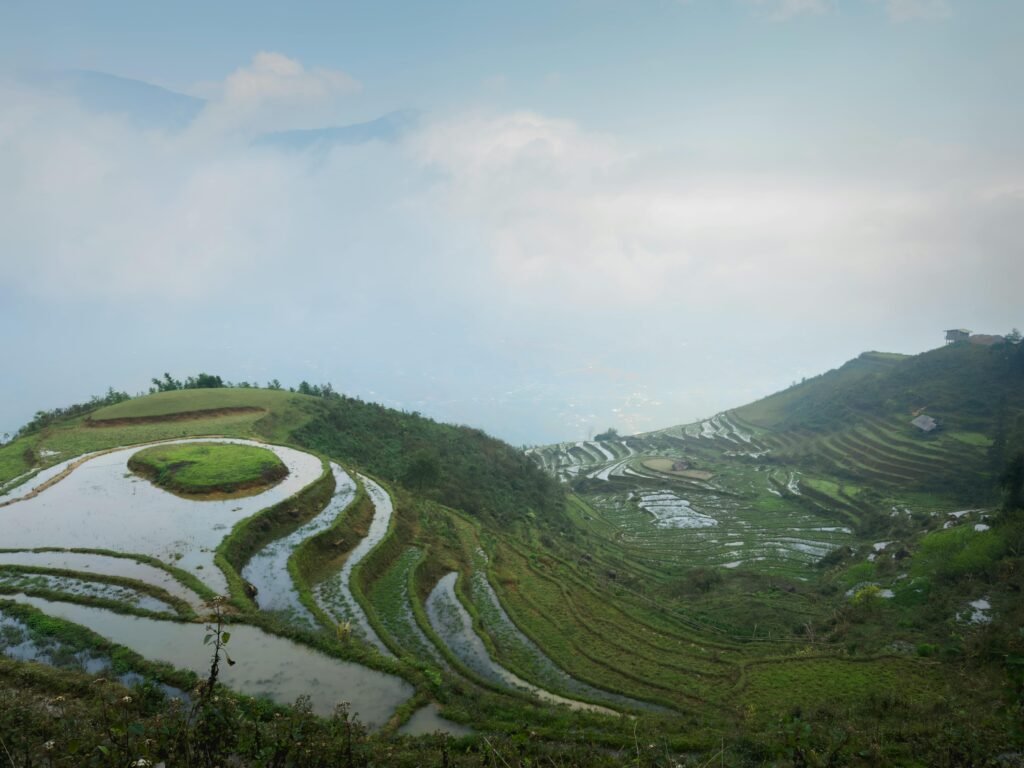
Located in the Hoang Lien Son Mountains, Sapa is the gateway to some of the most beautiful rice terraces on the planet. The terraces themselves are up to 2,000 years old, carved by hand into the mountainside by the H’Mong, Dao, Tay, and Giay ethnic communities who still live and farm here. The best time to visit is late May through June, when the paddies are flooded and reflect the sky like mirrors, or September to October when the fields turn gold at harvest time.
Trekking to villages like Lao Chai and Ta Van is the most rewarding way to explore, though hiring a local guide (ideally from one of the minority communities) enriches the experience enormously. Fansipan, the highest peak in Vietnam at 3,143 metres, looms nearby and is accessible by cable car for panoramic views across the entire region. Recently, Sapa has focused on “eco-trekking,” ensuring that tourism dollars go directly back into the mountain villages to preserve their way of life.
04. Phong Nha-Kẻ Bàng National Park
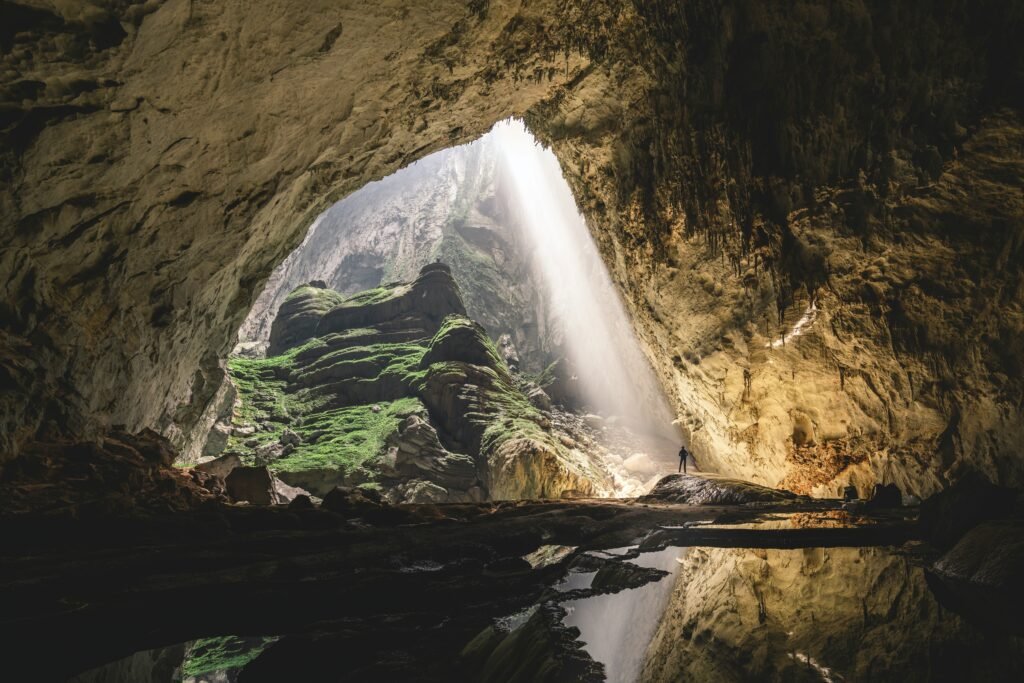
This national park is home to the largest cave system in the world. Son Doong Cave, discovered only in 1991 and opened to tourists in 2013, stretches for over 9 kilometres, reaches heights of 200 metres, and contains its own weather system, jungle, and river inside. Access to Son Doong is limited to around 1,000 visitors per year due to conservation limits, with guided expeditions running for four days through the jungle.
For those who cannot get a spot, Hang En — the third-largest cave in the world — is nearly as dramatic and requires an overnight trek to reach. Phong Nha Cave and Paradise Cave are more accessible and still spectacular, with Paradise Cave’s stalactite formations stretching 31 kilometres underground. The surrounding national park, a dual UNESCO site, is one of the most biodiverse forests in all of Southeast Asia.
05. Hue Imperial City
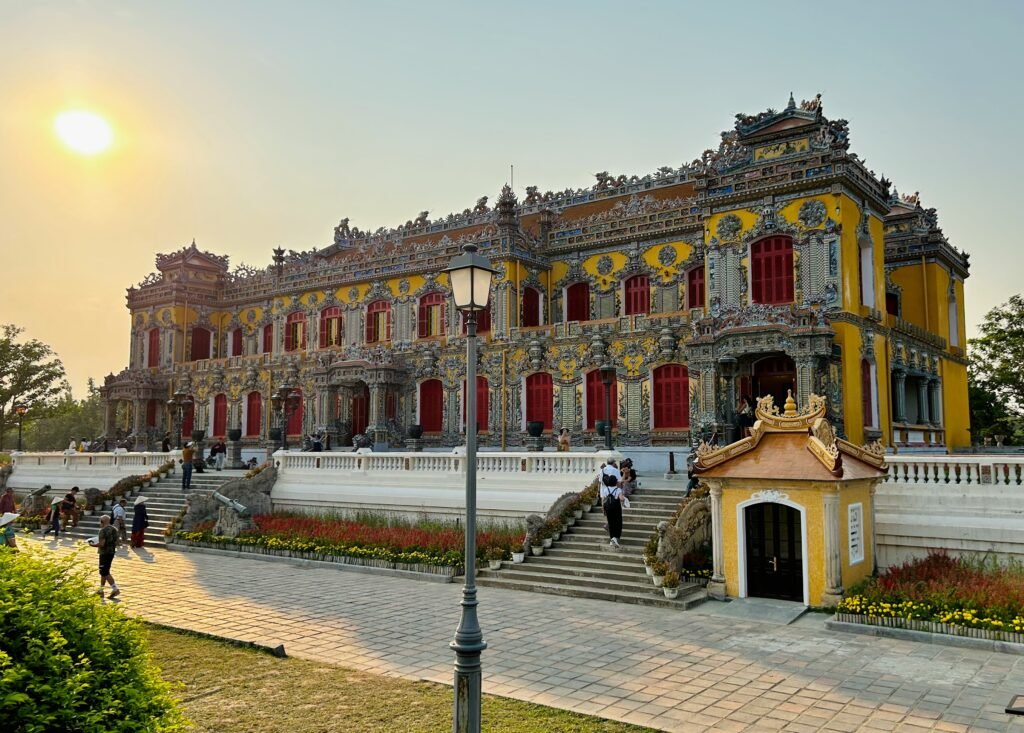
Hue was the imperial capital of Vietnam from 1802 to 1945 under the Nguyen Dynasty, and its walled citadel, built along the Perfume River, remains one of the most historically rich sites in the country. The Imperial Enclosure (Đại Nội) inside the citadel once housed the emperor, his court, and hundreds of concubines across a complex of palaces, temples, and pavilions. Much was damaged during the Vietnam War, but restoration work has brought significant areas back to life.
Outside the city, the royal tombs of the Nguyen emperors are scattered along the Perfume River — Minh Mang’s tomb is grand and geometrically designed, while Tu Duc’s is more intimate and poetic. Hue is also the birthplace of some of Vietnam’s most refined cuisine: bún bò Huế (spicy beef noodle soup), bánh khoái (sizzling rice pancakes), and the imperial-style multi-course meals once prepared for royalty.
06. Ho Chi Minh City (Saigon)
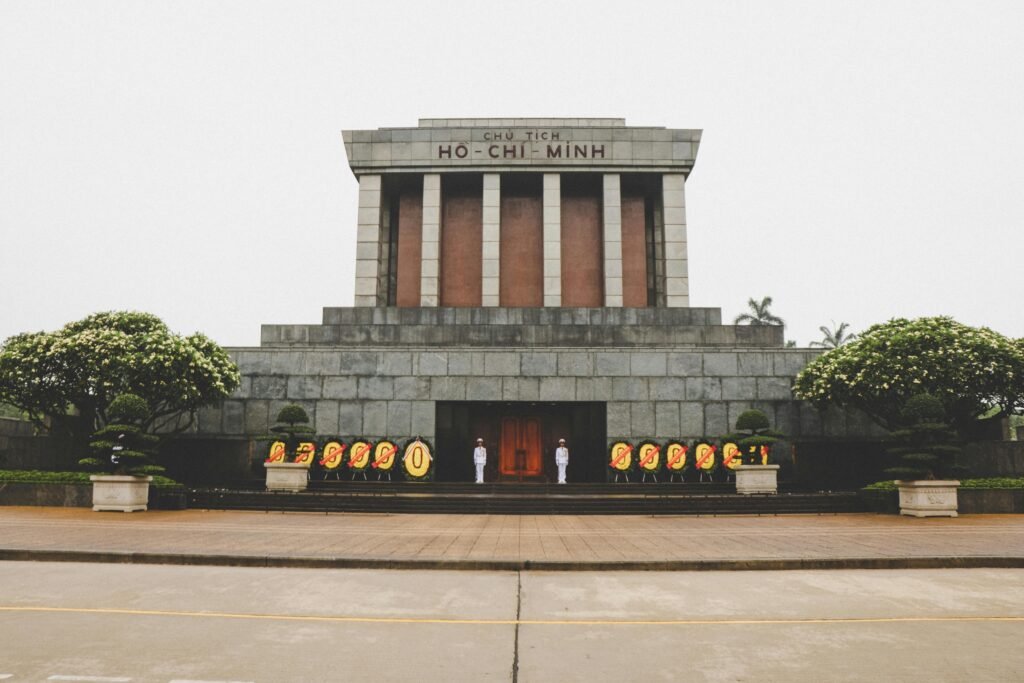
Vietnam’s largest city is a whirlwind of energy. Ho Chi Minh City — still called Saigon by most locals — is the country’s economic engine and a city that never really slows down. The War Remnants Museum is confronting but essential, documenting the Vietnam War through photographs and artefacts. The Reunification Palace, where North Vietnamese tanks crashed through the gates on 30 April 1975 to end the war, is open to visitors and feels remarkably preserved in time.
Beneath the city, the Cu Chi Tunnels — a 250-kilometre network dug by the Viet Cong during the war — can be crawled through on tours. But the city is also about its neighbourhood bustling streets, jumping on the back of a Vespa for a night-time street food tour, and the rooftop bars of District 1 at sunset.
07. Hanoi Old Quarter
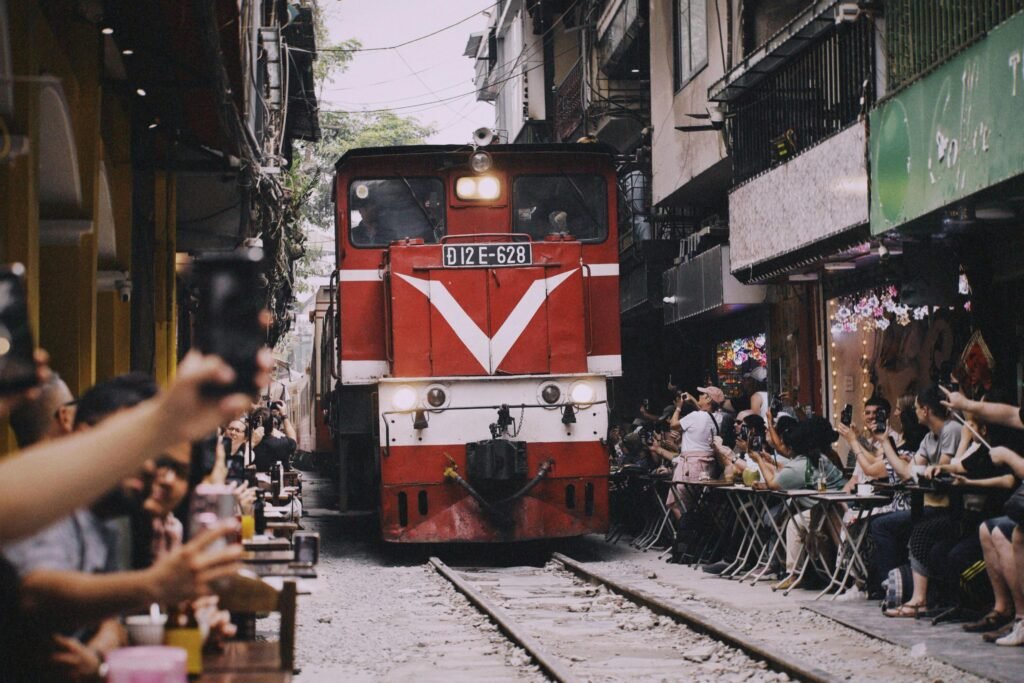
Hanoi is considered the heartbeat of the nation. The Old Quarter, known for its 36 ancient trading streets (each historically named after the goods sold there — silk street, paper street, tin street), has been the commercial center of the city for over a thousand years. Walking through it is like peeling back centuries, with narrow shophouses and centuries-old guild temples sitting beside coffee shops and bánh mì carts.
Hoan Kiem Lake in the centre of the Old Quarter is where locals come to jog, play chess, and practise tai chi in the early mornings. Just offshore sits the Jade Island Temple (Ngoc Son Temple), connected to the shore by a red lacquered bridge. The architecture is a mix of French colonial style and traditional Vietnamese tube houses. This is also the iconic “Hanoi train street” experience, where you can sit and watch the locomotive pass inches from the front doors!
08. Ninh Binh & Tràng An
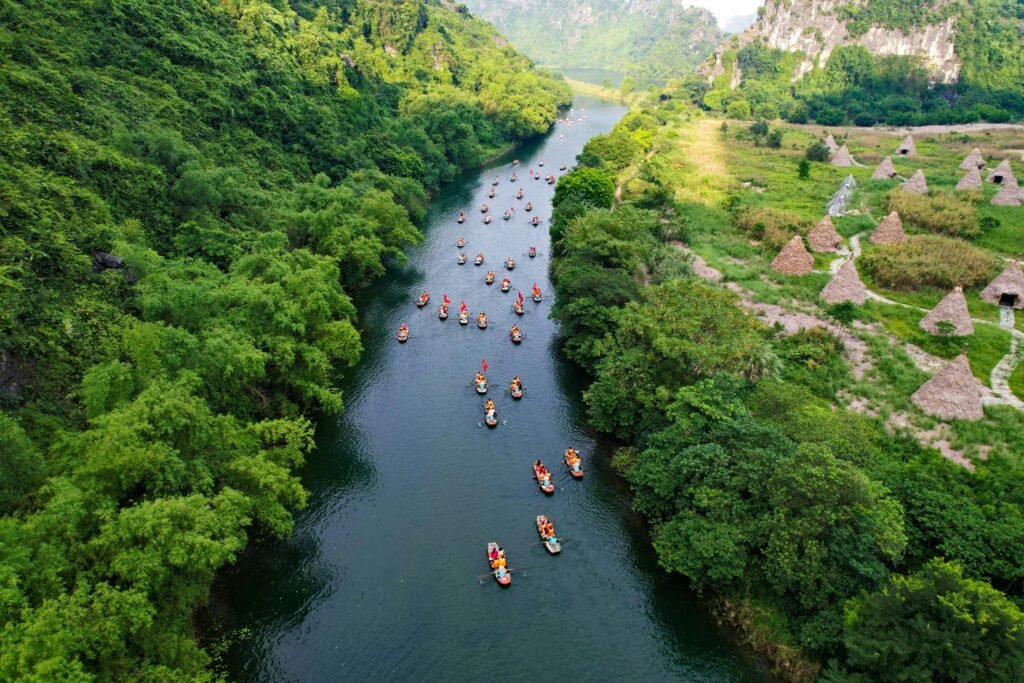
Often called “Halong Bay on land,” Ninh Binh is a landscape of towering limestone karsts rising from flat rice paddies and winding rivers — and it is far less crowded than its more famous coastal counterpart. Tràng An Scenic Landscape Complex, a UNESCO World Heritage Site since 2014, is best explored by rowing boat, drifting through cave tunnels and past temples half-hidden by trees.
Tam Coc is the other popular boat route, flanked by three large caves and water buffalo grazing on the banks. The ancient capital of Hoa Lu, where 10th-century kings once ruled, sits just nearby with two surviving dynastic temples. Climbing 500 steps to the top of Mua Cave rewards visitors with one of the most postcard-perfect panoramic views in Vietnam!
09. Da Nang & the Golden Bridge
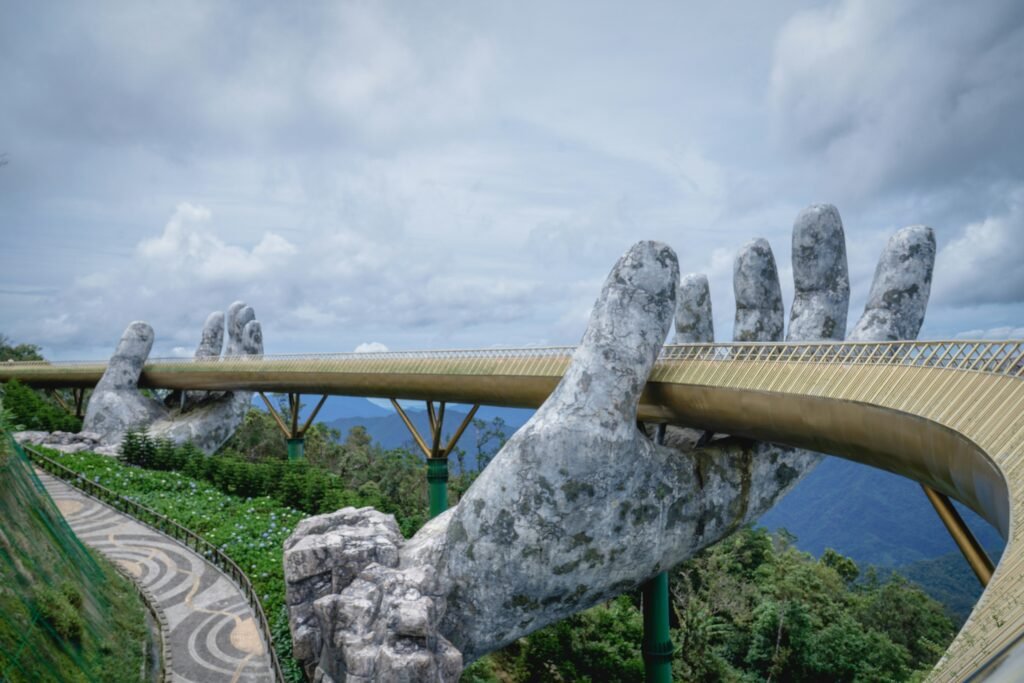
Da Nang is central Vietnam’s most dynamic city — modern, clean, and sitting between mountains and one of the most beautiful stretches of coastline in Southeast Asia. The most famous sight is the Golden Bridge at Ba Na Hills, which looks like it is being held up by two giant stone hands emerging from the forest.
My Khe Beach, which American soldiers used as a rest spot during the Vietnam War, now runs for nearly 30 kilometres of soft white sand backed by cafes and resorts. The Marble Mountains, just 9 kilometres south of the city, are a cluster of five marble and limestone hills named after the five elements — metal, wood, water, fire, and earth. Caves inside the hills hold ancient Hindu and Buddhist shrines, and climbing to the top of Thuy Son (Water Mountain) gives sweeping views over Da Nang Bay and the coast. The Dragon Bridge, which shoots fire and water from its mouth on weekend nights, is one of the city’s newer claims to fame.
10. Mekong Delta
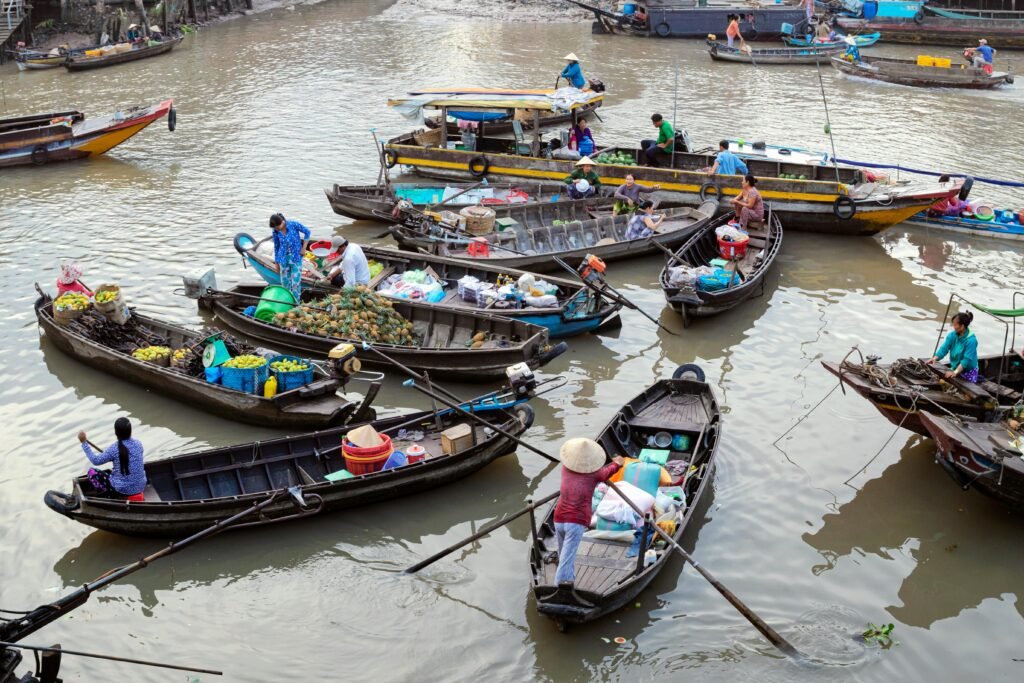
Known as the “Rice Basket” of Vietnam, the Mekong Delta is a vast network of canals, rice paddies, floating markets, and fruit orchards that stretches across nearly 40,000 square kilometres. Can Tho is the delta’s largest city and the best base for exploring the floating markets, particularly Cai Rang, where boats piled high with tropical fruit and vegetables drift together in the early morning hours.
It produces more than half of Vietnam’s rice and a large share of its seafood, and the local cuisine reflects that abundance richly. The people are incredibly friendly, and the landscape is a vibrant, neon green that you won’t see anywhere else in the world.
In Vietnam, every region has its own rhythm, its own flavours, its own way of making you feel both completely foreign and strangely at home. Travel slowly here if you can. Linger over meals, take the long way around, and resist the urge to rush.
Honestly? Stop reading. Start packing!






Leave a Reply