
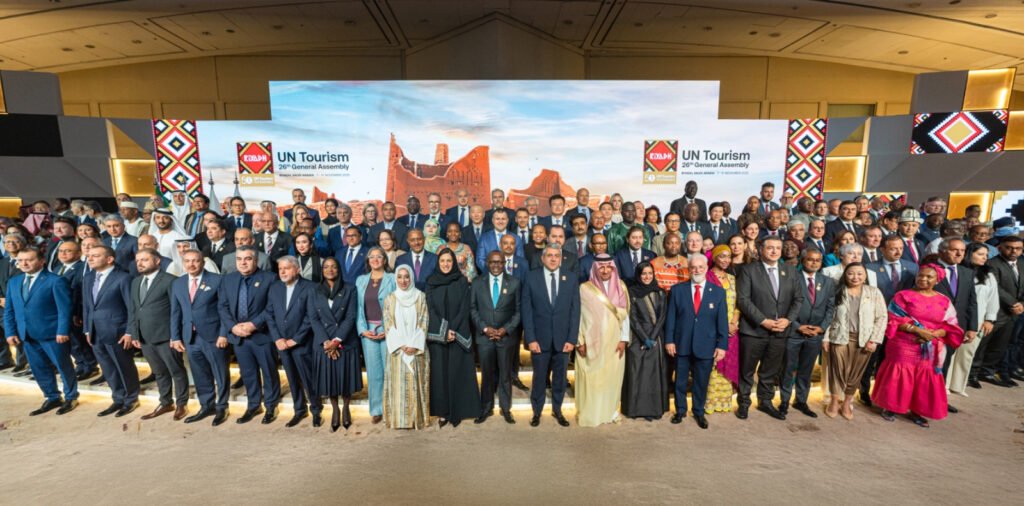
The 26th session of the UN Tourism General Assembly in Riyadh concluded with a landmark outcome: the formal adoption of the Riyadh Declaration on the Future of Tourism. Endorsed by member states from around the world, the Declaration outlines an ambitious vision for the next 50 years of global tourism – anchored in sustainability, digital transformation, AI-driven innovation, and equitable sector development.
Inside the Riyadh Declaration: Key Takeaways
1. A Defining Moment for Global Tourism
The Declaration sets a long-term vision for how the sector must evolve amid technological disruption and shifting global realities. It calls for building a tourism ecosystem that is future-ready, sustainable, and equitable.
2. Shaping the Future of Tourism Through responsible innovation
Member states commit to harnessing emerging technologies, including AI, to improve visitor experiences, enhance competitiveness, and strengthen crisis resilience while safeguarding data privacy, cybersecurity, and ethical governance.
3. Advancing Sustainability and Resilience
The Declaration emphasizes the urgent need for environmental protection, climate preparedness, adaptive infrastructure, and balanced growth.
4. Empowering People and Communities
It emphasizes tourism that respects culture, protects heritage, and uplifts communities through inclusive, community-centered development models.
5. Tackling Uneven Tourism
Recognizing uneven tourism development, Member States commit to addressing the digital and destination divide by promoting policies that channel tourism flows toward emerging and underserved destinations.
6. Paving UN Tourism Toward AI Utilization
The declaration sets a clear pathway for responsible AI adoption through:
- The AI Impact on Tourism Report and Recommendation Guide
- A Global AI Maturity Framework
These tools will support countries in assessing readiness, identifying gaps, and deploying AI to strengthen sustainable tourism growth.
7. A Strategic Roadmap for the Sector’s Future
The Secretary-General of UN Tourism will develop a Strategic Roadmap on the Future of Tourism, funded through voluntary contributions, to help member states navigate long-term challenges and opportunities.
8. Saudi Arabia’s Leadership and Vision
Hosting the adoption of the Riyadh declaration demonstrates Saudi Arabia’s central role in leading efforts to build a resilient, innovative, and sustainable tourism future.
Saudi Arabia Moves from “Declarations to Delivery”
His Excellency Ahmed Al Khateeb, Minister of Tourism, emphasized Saudi Arabia’s commitment to turning global agreements into tangible outcomes: “From Riyadh, we move from declarations to delivery. The agreements signed here and the platforms we are launching will mobilize investment, upskill our people, digitize our SMEs, and protect culture and nature. As home to UN Tourism’s Regional Office for the Middle East, the Kingdom will continue to convene partners and deliver measurable outcomes, so tourism remains a bridge between nations and a driver of shared prosperity.”
He also added, “The declaration’s adoption signals renewed determination among the international community to unlock the full economic and social value of tourism as we pursue the SDGs. It is also a vote of confidence in Saudi Arabia’s position as a facilitator of dialogue and a new hub for collaboration.”
Through strategic investments, global convenings, and the development of new platforms, Saudi Arabia continues to position itself as a key driver of the sector’s transformation.
A Historic Leadership Milestone for UN Tourism
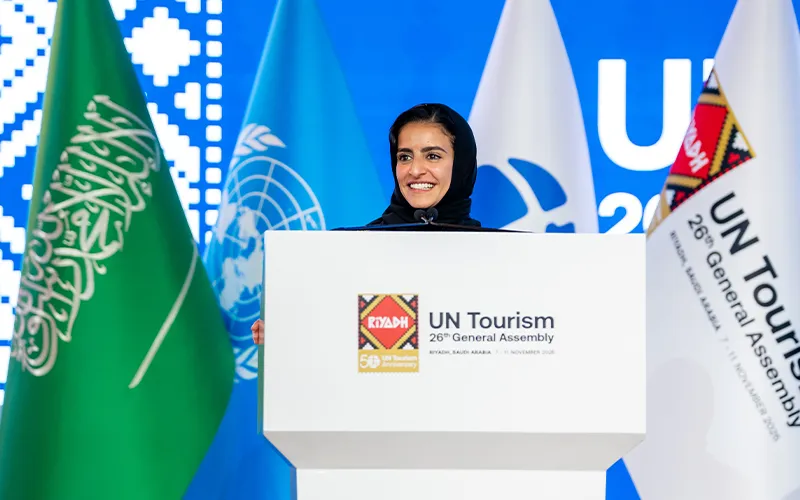
The General Assembly also made history with the ratification of Shaikha Nasser Al Nowais as the next Secretary-General of UN Tourism — the first woman and first GCC national to lead the organization in its 50-year history. Her term begins in 2026, marking a transformative milestone for global tourism leadership.
In outlining her vision, Shaikha Nasser Al Nowais highlighted five core priorities for her mandate: “Responsible tourism, capacity building, technology for good, innovative financing, and smart governance – each designed to make our sector more inclusive, resilient, and human.”
Her leadership marks a new era for the organization with greater representation and fresh perspectives within the sector’s top leadership.
Saudi Arabia Launches TOURISE: A New Platform for Global Collaboration
Coinciding with the General Assembly, Saudi Arabia unveiled TOURISE, a new global initiative designed to strengthen public–private collaboration and accelerate innovation across the tourism sector.
This inspiring summit aims to fast-track digital transformation, unlock investment, promote sustainability, and strengthen workforce capabilities – all essential elements to ensure the global tourism industry is equipped to meet future challenges and capitalize on emerging opportunities.







Leave a Reply to Michael Carter Cancel reply