
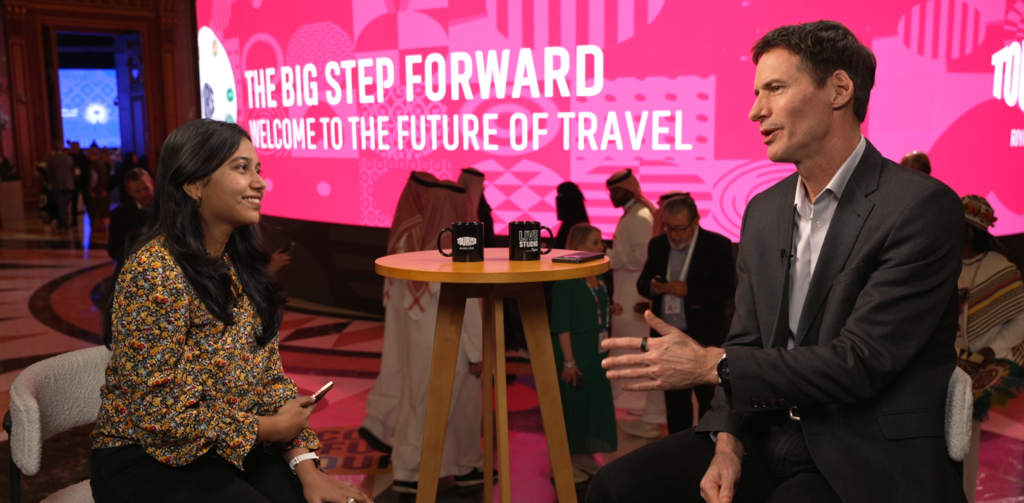
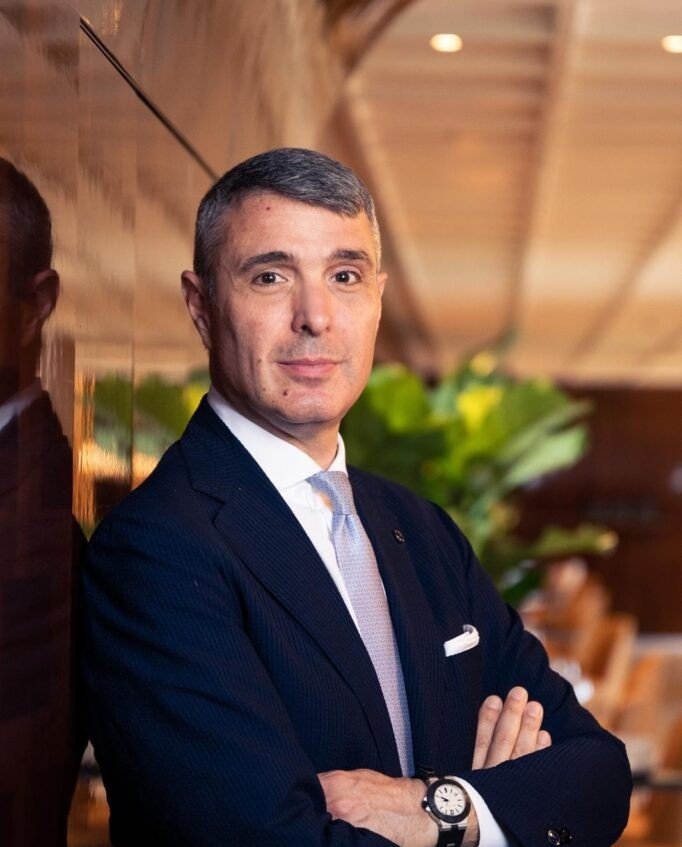
As Wego marks its 20th anniversary this 2025, the company stands as one of the Middle East’s most influential travel platforms, shaping how millions of travellers search, explore, and book their journeys. Since its launch in 2005, the driving force behind this evolution has been Ross Veitch, the CEO and co-founder, whose vision helped transform Wego from an early travel startup into a regional leader operating across the Middle East, North Africa, and Asia.
Wego was built with a vision to make travel simpler, smarter, and more accessible for the everyday user. Two decades later, that vision continues to evolve – now with AI, personalization, and an entirely new generation of travelers reshaping the world of exploration.
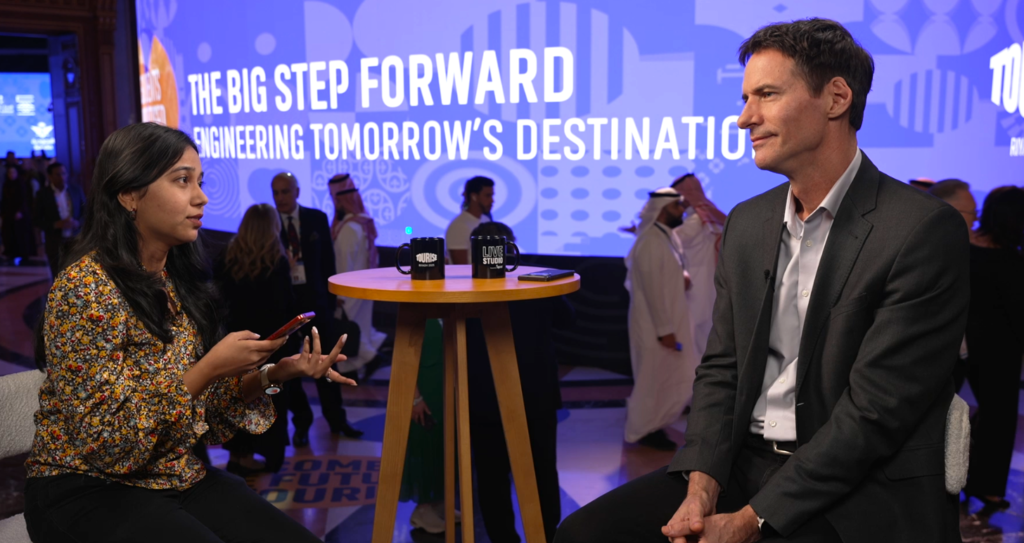
In this exclusive interview with Pooja Amritkar at TOURISE Riyadh, Ross reflects on how technology is changing travel, the trends driving today’s bookings, and the rise of AI to enhance user experience and tourism landscape.

Q: The Middle East and North Africa region has witnessed remarkable growth in travel and tourism over the past few years. From your perspective, what are the biggest forces driving this transformation?
Ross: For us, the Middle East represents two major markets. It’s where many of our travelers live, so our core focus is building a one-stop shop for leisure travelers based in the region. At the same time, Wego has also become known as a Middle East specialist, which means we bring a significant number of visitors into the region from all of Asia, Africa, and Europe.
But primarily, our business is about helping the people who live here travel to the rest of the world. And like everywhere else, we see the same pattern: people travel in concentric circles around home. If you’re in Saudi Arabia, a lot of your trips will be domestic. Then you expand outward across the GCC, then to wider MENA destinations, and eventually to Europe, Asia, and North America. This pattern is consistent globally. People are also traveling more frequently and more confidently than ever before. They are eager to explore more cities and cultures.
Q: TOURISE 2025 is focused on technology and travel, and AI is rapidly reshaping industries everywhere. How is Wego integrating AI into its products to enhance the user experience?
Ross: AI has been a highlight this week, especially with TOURISE discussion panels and sessions. And since Wego is fundamentally a tech company focused on solving problems for travelers, this is a natural evolution for us. We’ve been doing machine learning at scale for more than a decade, but we’re now fully embracing the new generation of AI tools and capabilities.
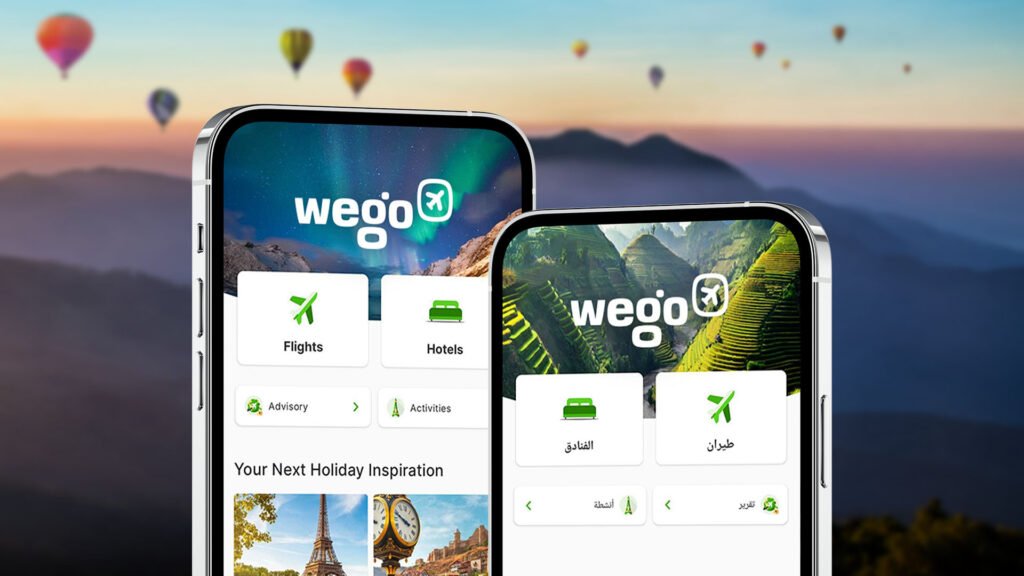
Across the company, we’re automating everything we possibly can, including finance, operations, customer service, and marketing. And on the product side, AI now allows us to build features that simply weren’t possible before. It’s enabling a different level of personalization, prediction, and real-time assistance that genuinely enhances the user experience.
Q: Are there any specific AI-driven features users should look out for?
Ross: Absolutely. There are major AI systems gaining traction like ChatGPT, Gemini from Google, Claude from Anthropic, and even Grok from X, which are all launching app stores and building platforms. These platforms allow companies like ours to create and build functionality that users can summon directly from within a chat interface.
Travel, however, requires a lot of specialized abilities, such as shopping, comparing, booking, and the big AI models partner with companies like Wego to add those layers of expertise and functionality. The exciting part is that users can now engage with a conversational interface they’re becoming very comfortable with, while the AI layers its intelligence over our travel-specific systems. So it’s a win-win. We have worked previously with the big search engines and social media companies to optimize and drive traffic to our website and apps. We’re now engaging with the AI systems and building for them. And we’re already seeing significant traffic and bookings coming through these AI platforms.
Q: Based on how we are using AI today, especially with AI being so heavily dependent on user data, how do you strike a balance between personalization and privacy?
Ross: It’s still early days, but when AI companies engage with third-party app providers like Wego, there’s a limited amount of information being passed from them to us. Anything that’s PII, or personally identifiable, the user has to opt into. So I think we are all being cautious. There are safeguards built in, and the level of data sharing is lower than one might assume. The balance right now is still on the conservative side, with privacy protected by default unless the user decides otherwise.
Q: There’s been a noticeable rise in wellness and slow tourism. Have you seen that shift influence booking patterns on your app?
Ross: Absolutely. A lot of people are traveling for medical tourism and wellness tourism. There was a panel session earlier where we were talking about people traveling specifically for longevity treatments. Some treatments aren’t available in one country but are available in another, and people who have the means are traveling to access those services
Medical tourism has been around for a long time. In Singapore, we see travelers from across Southeast Asia seeking wellness experiences, while Dubai is steadily expanding its footprint in the sector. South Korea is a global hub for all kinds of cosmetic procedures. But I also think that toward the end of the year, the world is moving faster and faster, and we’re more connected than ever before. I think this trend is only going to grow as travelers seek deeper, more restorative experiences, take long breaks where they can truly disconnect, recharge, and rejuvenate.
Q: How do you see the aviation landscape evolving in the Middle East and North Africa over the next five years? And how are low-cost carriers shaping travel patterns?
A: The aviation marketplace in the Middle East, specifically the Gulf, is very vibrant. There’s a lot of competition among the full-service carriers such as Emirates, Qatar Airways, Saudia, Etihad, and Turkish Airlines. And for most travelers going to most places, passengers have excellent alternatives among these major airlines.
Riyadh Air is joining the game as well. They’ve just started their first service to Riyadh–London, and they’ll be launching new destinations fairly quickly. That’s going to make accessing Riyadh dramatically easier for most of the world, and also make it easier for Saudis to get out and see the world. We’re looking forward to Riyadh Air joining the game.
On the low-cost side, there are quite a few options: Flynas and flyadeal in the Kingdom, Flydubai in the UAE, and now some European low-cost carriers are entering the Gulf market. So whether you want to travel budget-friendly or full service, you’ve got plenty of options.
What I’d like to see, especially with respect to India, is more slots opened up for Gulf carriers and an increase and expansion in the number of daily flights between the Gulf and India. I think all the Gulf carriers would love to fly more frequently to India’s major cities.
Q: Which emerging travel trend is exciting you the most right now?
Ross: I’d have to say slow travel from personal experience. When I was younger, instead of going to university, I went backpacking, like a lot of Australians do. I ended up in London, worked there for a couple of years, and when I had to get back to Australia, instead of flying, I took about six months and went overland. I travelled through the Soviet Union as it was breaking up, then down through Iran, Georgia, Azerbaijan, into Pakistan, through the Wagah border into India. I went down to Goa and spent about a month chilling out there.
I think that kind of slow travel, where the journey is as much the goal as the destination, really changes your perspective on the world. You meet a lot of people along the way. I encourage young people to do it while they can – before the responsibilities come. In today’s fast-paced world, slow travel is more relevant than ever.






Leave a Reply to Lu Lu Cancel reply