
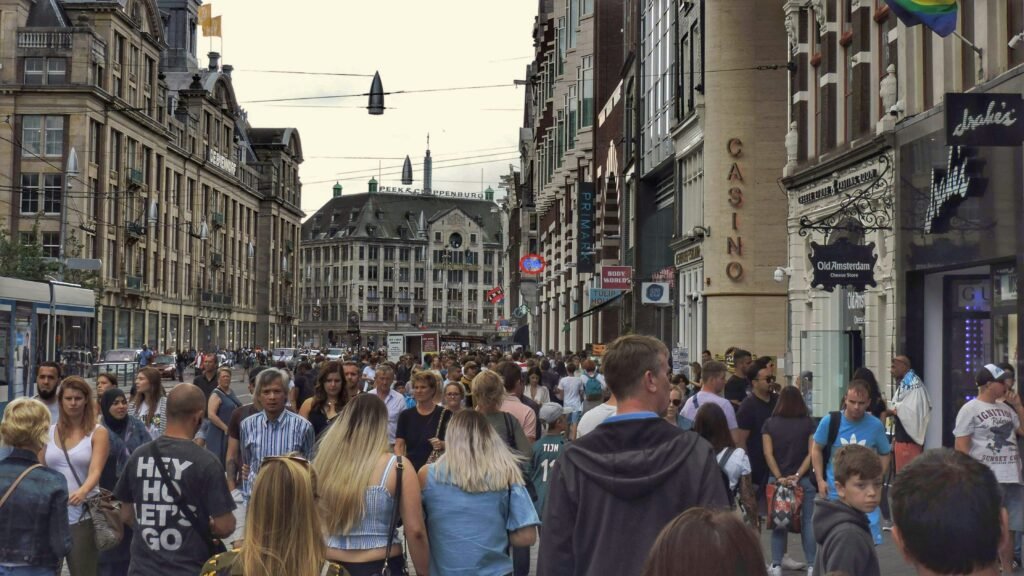
For years, the world’s most iconic destinations have been pushed beyond their limits. What was once the charm of global travel has, in many places, turned into overwhelming crowds, long queues, and constant strain on communities, infrastructure, and the environment.
In places like Venice, visitor numbers have even surpassed the local population, putting pressure on housing, transport, and daily life. The very charm that draws people in is starting to fade. This has caused major cities and islands to finally hit the “reset” button, passing strict ordinances to protect their homes and, ultimately, your travel experience.
Here is what you need to know about the new anti-overtourism laws in 2026, and where you can go instead to find the magic without the madness
Venice, Italy
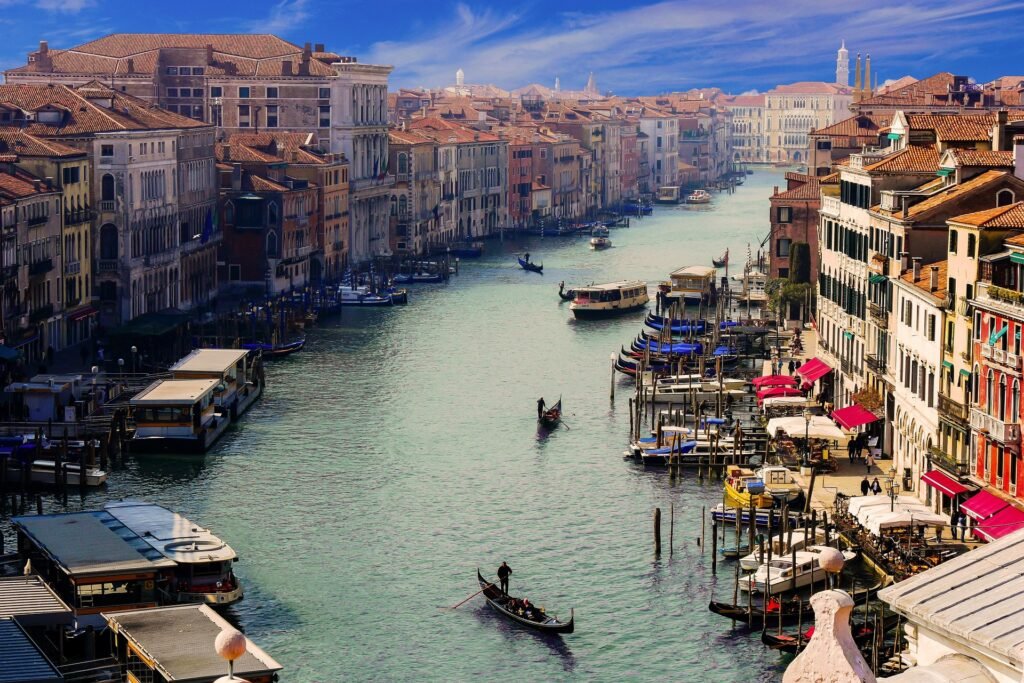
Venice has become the symbol of overtourism. With around 30 million visitors every year, the city’s narrow streets and canals are often packed beyond comfort.
To manage this, Venice has introduced a day-tripper entry fee, which is still evolving in 2026. If you’re planning to visit just for the day, you’ll now need to book your visit in advance and pay a fee between €5 and €10, depending on how early you reserve. This fee applies mainly during peak months (April to July), especially on weekends and holidays. Visitors receive a QR code, which authorities may check at random points across the city.
Interestingly, if you stay overnight, you don’t have to pay this entry fee, but you still need to register your visit. The idea behind this system is simple: reduce “hit-and-run” tourism, where visitors arrive, crowd the city, and leave without contributing much to the local economy.
If you want to skip the Venice crowds, head to Chioggia. Often called “Little Venice,” it offers the same charming canals, colorful houses, and arched bridges, but with a fraction of the tourists and a much more authentic, salty fisherman vibe.
Capri, Italy
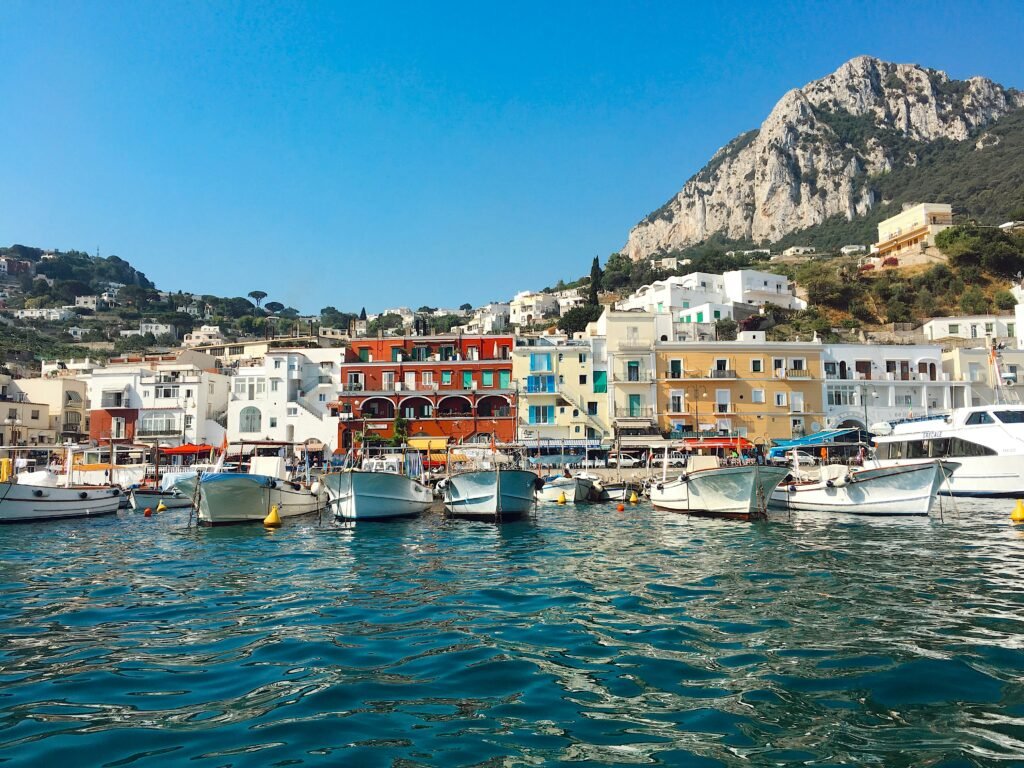
The glamorous island of Capri has also started pushing back against overwhelming crowds, especially during summer.
In early 2026, the local council passed a major ordinance targeting large tour groups. Now, organized groups are capped at a maximum of 40 people. Furthermore, if a group has more than 20 participants, the guide is strictly forbidden from using a loudspeaker. Instead, everyone must use wireless earpieces to hear the tour. Capri is also looking at limiting the sheer number of boats docking at Marina Grande, as the daily influx of 50,000 visitors often overwhelms the island’s 15,000 residents.
What makes Capri special is its natural beauty, the Blue Grotto, dramatic cliffs, and Mediterranean views, but these are best enjoyed early in the morning or during shoulder seasons like May or September.
If you want that Mediterranean cliff-side charm without the restrictive rules, consider Ischia. Just a short ferry ride away, Ischia is larger, greener, and famous for its natural thermal springs and sprawling gardens with plenty of space to breathe and explore the stunning Aragonese Castle in peace.
Amsterdam, Netherlands
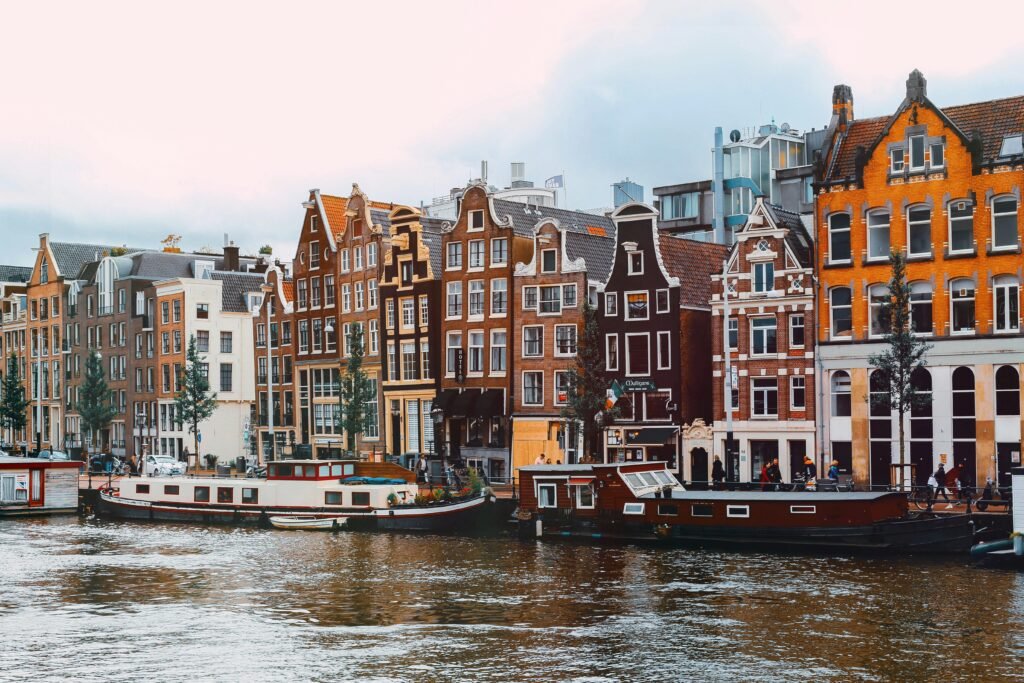
Amsterdam is currently aiming for tourists who come only for the nightlife or a quick photo op. As of 2026, the city has enacted a total ban on the construction of new hotels. Unless an existing hotel closes, no new ones can open. Additionally, the city has slashed the number of river cruises allowed to dock and is actively phasing out ocean mega-ships. By the end of this year, sea cruise calls will be capped at just 100 per year, nearly half of what they were a few years ago.
The city has also increased the tourist tax to 12.5%, making it one of the most expensive places in Europe to spend the night. Amsterdam is still one of Europe’s most beautiful cities, with its canals, museums, and cycling culture. But the focus now is on responsible travel, respecting neighborhoods, avoiding party tourism, and supporting local businesses – as it should be.
If the high costs are off-putting, set your sights on Utrecht. Only 25 minutes by train from Amsterdam, Utrecht features beautiful sunken canals with wharf-side cafes that sit right at water level, offering a unique and beautiful experience. It’s a university town with a vibrant, youthful energy, stunning medieval architecture, and far fewer tourist traps.
Athens, Greece
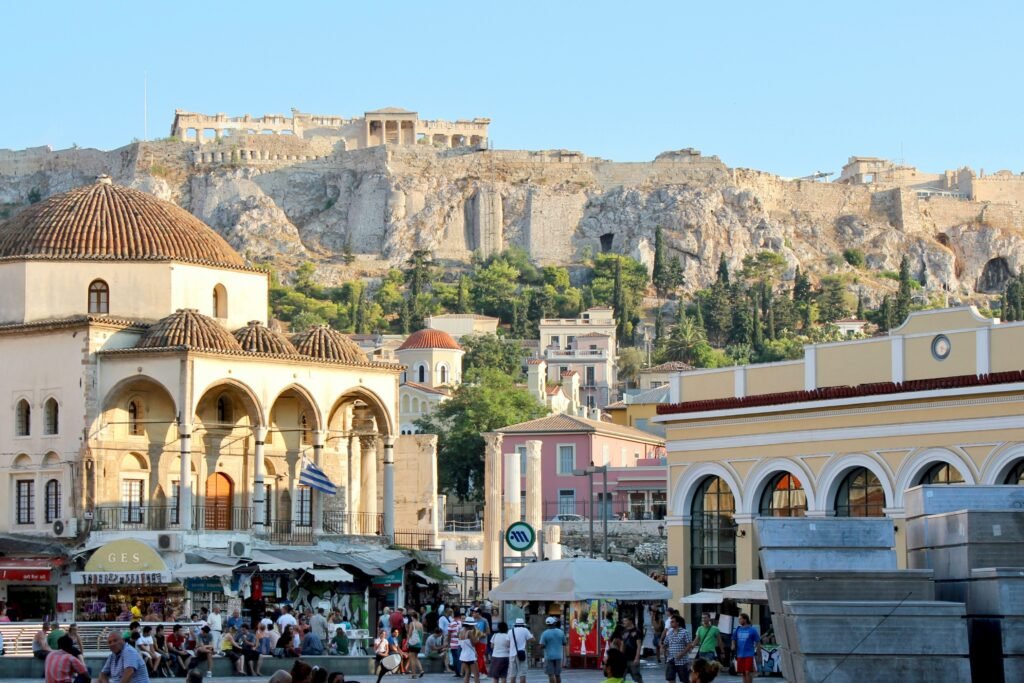
Athens has always been a must-visit for history lovers, but in recent years, the pressure of overtourism has become evident at its most iconic landmark – the Acropolis of Athens.
To protect the site and improve visitor experience, Greek authorities have introduced a timed entry system and a daily visitor cap. As of recent updates, the Acropolis allows a maximum of around 20,000 visitors per day, with specific hourly slots limiting how many people can enter at a time. This means you now need to book your ticket in advance and choose a time slot, especially during peak travel months.
This change is also about preservation. The Acropolis is over 2,500 years old, and heavy foot traffic has started to impact both the structure and the surrounding pathways. By spacing out visitors, authorities aim to protect this historic site while making the experience more enjoyable.
While the Acropolis is a bucket-list item, the rest of Greece is waiting to be discovered. If you want ancient ruins without the extensive crowds, head to Nafplio. It was the first capital of modern Greece and is home to the massive Palamidi Fortress. You can climb the 999 steps for a view that rivals anything in Athens, then enjoy the neoclassical mansions and narrow streets of one of the most romantic towns in the Peloponnese.
Barcelona, Spain
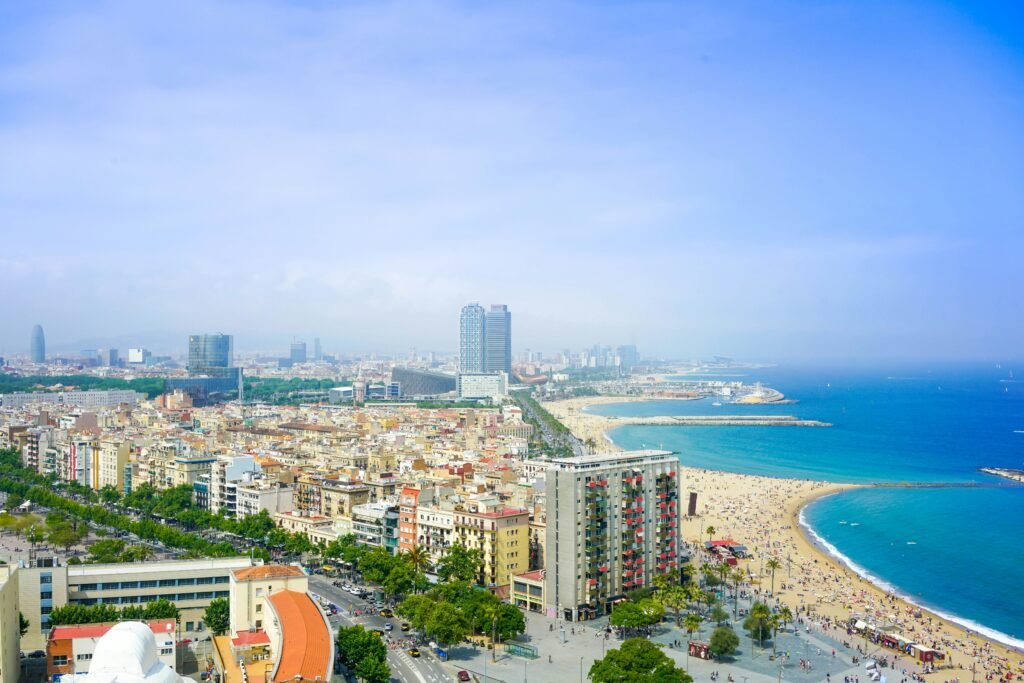
In Barcelona, overtourism has reached a point where locals have openly protested against it. Housing shortages caused by short-term rentals have forced the government to act. The city has announced a complete ban on temporary tourist apartment licenses by 2028, along with higher tourist taxes and stricter rules on cruise tourism. The goal is to eliminate nearly 10,000 tourist apartment licenses by 2028, and this year, the city has tightened the rules on illegal listings.
For travelers, this means fewer Airbnb-style stays in the future and a push toward properly regulated hotels and accommodations. The city has also moved its cruise terminals further away from the famous Las Ramblas to the Adossat wharf, specifically to reduce the congestion caused by thousands of passengers disembarking at once.
Barcelona remains one of Europe’s most vibrant cities, known for Gaudí’s architecture, beaches, and food culture, but travelers now need to be more mindful.
Alternatively, you can visit Valencia. It offers the same Mediterranean sunshine and futuristic architecture (like the City of Arts and Sciences) but with much more breathing room. You can walk through the Turia Gardens, a massive park built in a diverted riverbed, and eat world-class paella in its birthplace.
Choosing to travel responsibly doesn’t mean giving up on iconic destinations. It just means experiencing them with more awareness. It could be as simple as visiting during quieter months, staying a little longer, supporting local businesses, or even choosing a lesser-known place that needs tourism in a healthier way.
By being mindful of these new rules and staying flexible with our plans, we ensure that the world remains as beautiful and wonderful as we found it.
Read More: Travelogue









Leave a Reply