
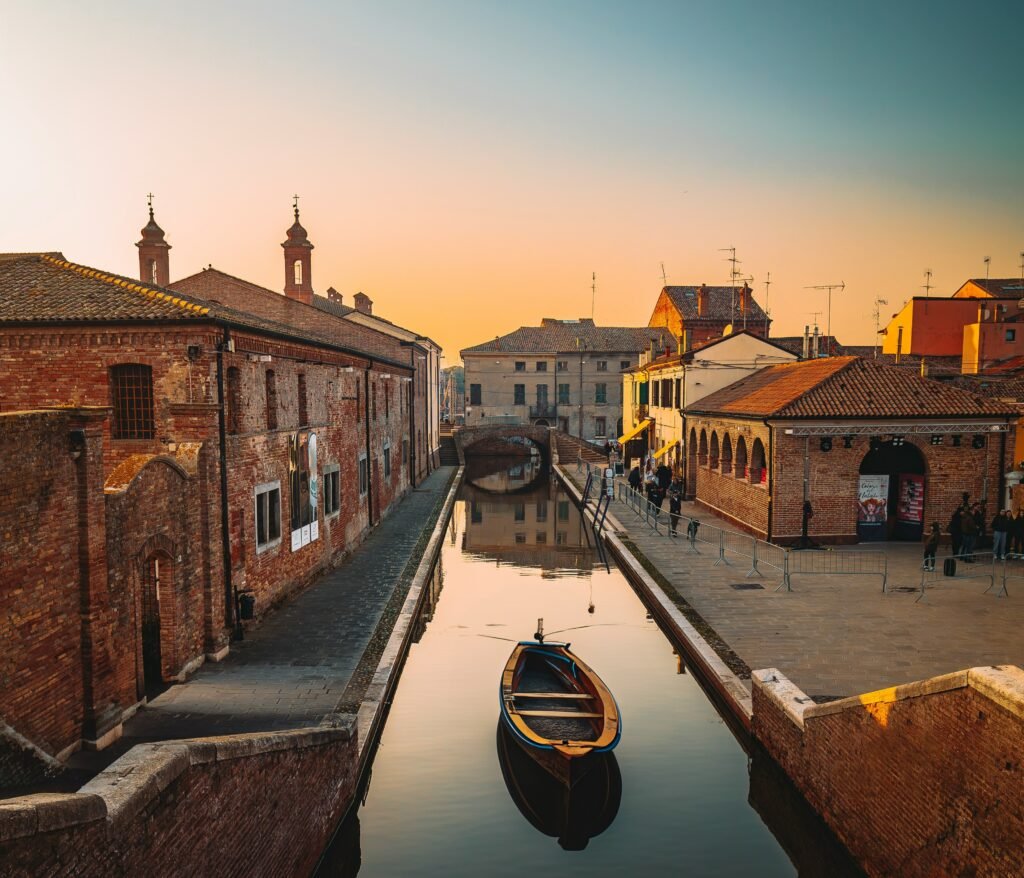
Venice is gorgeous, no argument there. But the reality of stepping into a destination packed shoulder-to-shoulder with selfie sticks can quickly dampen your vacation spirit.
Cruise ships dump tourists by the thousands every morning, hotel prices instantly shoot through the roof, and the city itself has started charging a day-tripper fee to manage the chaotic crowd. None of that makes Venice a bad place. It just means Italy has a lot more to offer than one over-loved lagoon city, and some of its best destinations barely show up on the average traveler’s radar.
So if you are a slow traveller or someone who loves the peace and exploring hidden gems, these seven cities give you the canals, the architecture, the food, and the history that make people fall in love with Italy in the first place.
1. Chioggia
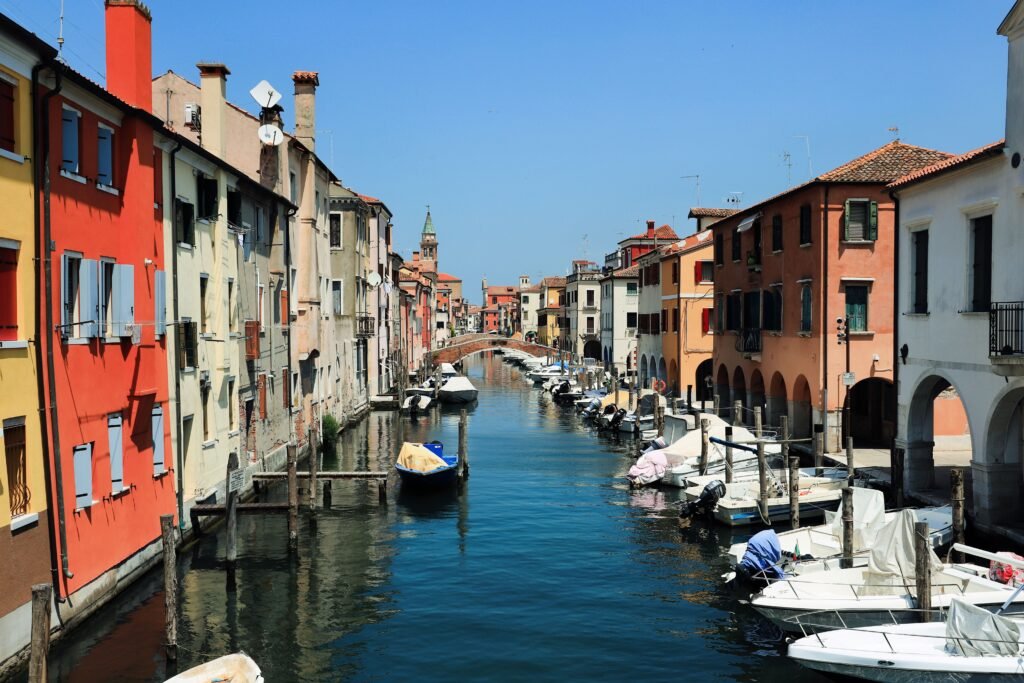
Floating right at the southern tip of the same lagoon system, this working fisherman’s hub is frequently dubbed ‘the little Venice’. Rows of colorful houses reflect off the green waters of the Vena Canal, where traditional wooden fishing vessels. The air smells of salt and slow-simmering seafood, maintaining an authentic maritime lifestyle that feels magical.
Spend your time walking along the majestic Corso del Popolo, a grand pedestrian street that runs the entire length of the island. Walk over the historic Ponte de Vigo, a beautiful stone structure built in 1675 that frames the harbor, and next to the bridge is a prominent statue of St. Mark’s Lion. You can also explore the Torre di Sant’Andrea, a medieval tower that houses a fascinating museum and holds the oldest active mechanical clock in the world, dating back to 1386.
For art lovers, the isolated church of San Domenico sits on its own small island and guards precious masterpieces, including the final painting by Renaissance master Vittore Carpaccio. Explore the historic fish market, the Pescheria, where local fishmongers showcase the morning catch behind a bright red canvas canopy. For beach lovers, cross the connecting bridge to Sottomarina to spend an afternoon enjoying ten kilometers of wide sand shores bordering the mesmerizing Adriatic Sea.
Recommended Places to Eat:
El Gato: Try the premium raw fish delicacies or seafood pasta at this elegant, main-street dining spot.
Osteria Penzo: Order the classic mixed seafood starters and traditional cuttlefish spaghetti in a hidden alleyway.
Osteria Gustò: Sit by the Vena Canal and sample their unique pistachio-crusted tuna or truffle tuna tartare.
2. Treviso
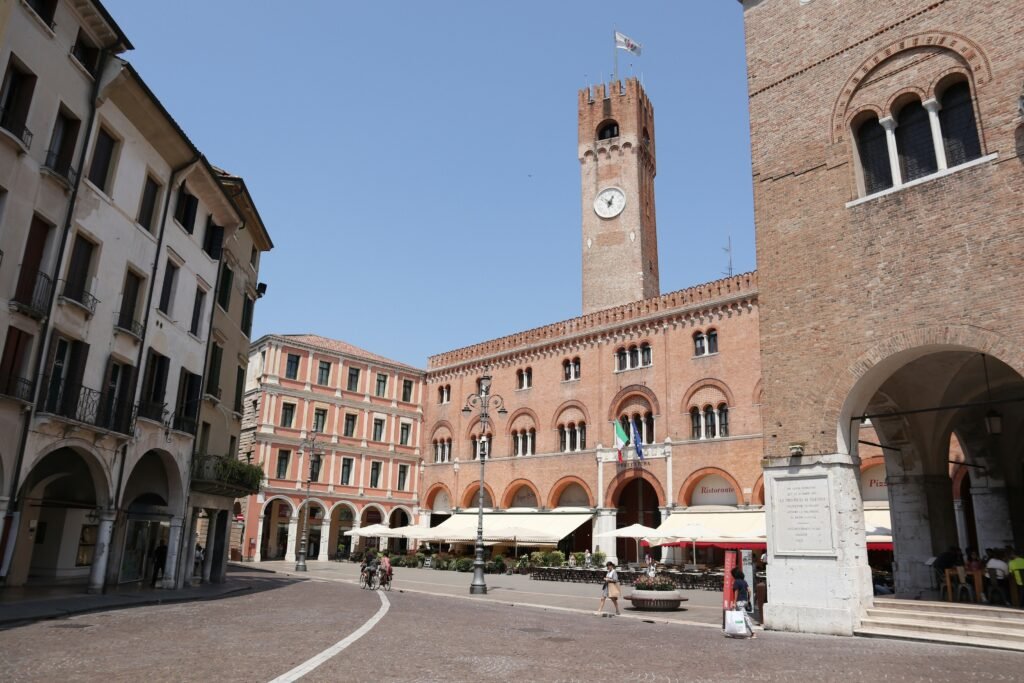
Often bypassed by travelers sprinting from the local airport straight to the coast, this walled provincial capital is an absolute wonderland of rushing rivers and frescoed medieval architecture. The city is built where the Botteniga River splits into a web of narrow, fast-flowing branches called cagnani, which rush beneath ancient houses. The historic core is completely encircled by massive, 500-year-old defensive walls that make for a spectacular walking route.
Spend an afternoon wandering through the elegant Piazza dei Signori to admire the grand brick Gothic palaces before heading toward the Buranelli Canal. This particular waterway is incredibly photogenic, with weeping willows dipping into the current alongside elegant stone arcades. Art lovers will appreciate the striking frescoes housed inside the Church of San Niccolò, alongside the multi-domed Treviso Cathedral, showing prominent masterpieces by Renaissance painter Titian.
Tucked away in a small courtyard off the Calle del Podestà sits the quirky Fontana delle Tette, a historic stone fountain shaped like a woman’s torso that famously spouted free white and red wine during Venetian Republic celebrations. Another essential stop is the Island of the Fishermen, Isola della Pescheria, a river island created in the 1800s to host the daily open-air fish market.
Food lovers can join a local market walk, participate in regional pasta-making classes, or take a short driving excursion north into the rolling vineyard landscapes of the Prosecco Hills.
Recommended Places to Eat:
Le Beccherie: The historic restaurant officially credited with creating the world’s very first tiramisu dessert back in the late twentieth century.
Odeon alla Colonna: Sit at a canal-side table to sample creative variations of bitter red radicchio di Treviso and fresh seafood dishes.
Hostaria dai Nanetti: Stop by this historic, standing-room tavern to pair regional Prosecco wine with locally cured mortadella or artisanal cheeses.
3. Comacchio
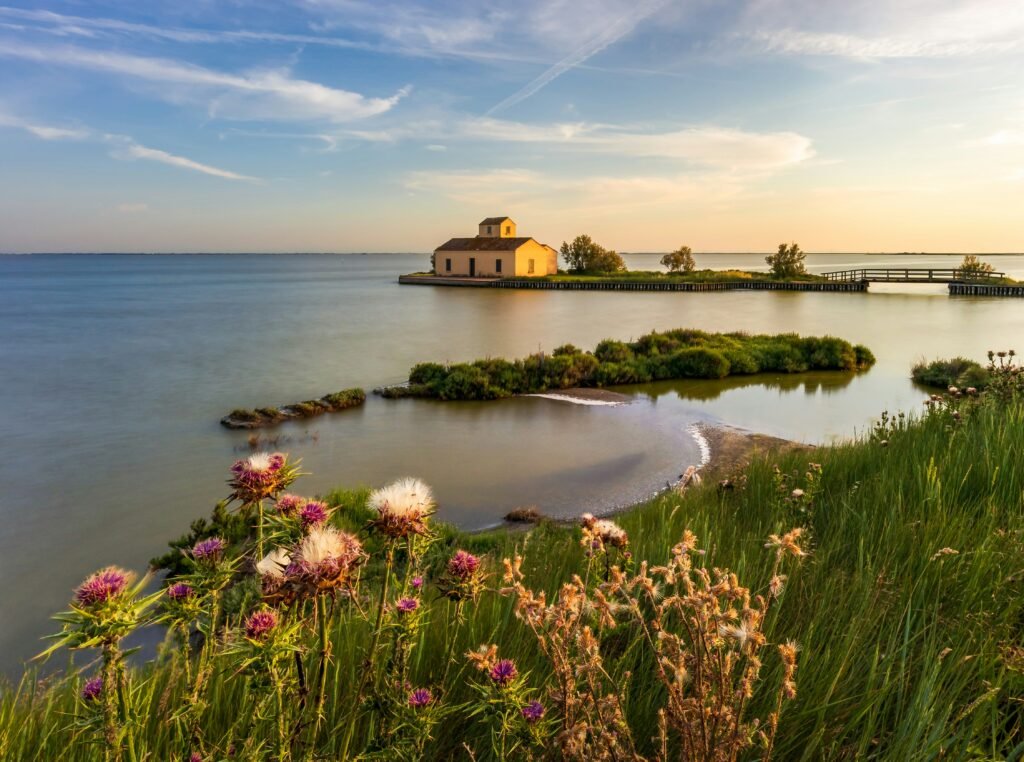
Situated in the Emilia-Romagna region within the Po Delta Park, this historic lagoon town lets you experience the genuine charm of an Italian water city at your own pace. It is built entirely across thirteen distinct islands linked together by an intricate network of brick bridges and lagoons. The absence of cars in the center creates an exceptionally peaceful environment.
The best thing to do is rent a small wooden boat or join a guided lagoon excursion to navigate the central canals. You can also hike or bike along the scenic dirt paths stretching out into the regional wetlands to see ancient fishing stations called lavorieri. Visiting during the autumn months allows you to experience the energetic local Eel Festival, which fills the historic core with open-air cooking fires and musical performances.
The defining architectural wonder of the town is the Trepponti, a massive and highly unusual five-way bridge constructed in 1638 that acts as the grand entrance to the inner canal network. For history buffs, the Museo Delta Antico is a sprawling archaeological exhibition.
An exceptional culinary landmark is the Manifattura dei Marinati, a beautifully restored historical factory museum where you can view the massive open fireplaces and giant wood barrels still used to pickle and preserve locally caught eels according to centuries-old recipes.
Animal lovers can venture out to the immediate salt flats and vast protected wetlands of the surrounding Po Delta Park to witness magnificent wild colonies of pink flamingos nesting in the marshes.
Recommended Places to Eat:
Locanda la Comacina: Reserve a table out on their floating pontoon boat to feast on creamy seafood risotto and rich pumpkin tortellini.
Ristorante Bettolino di Foce: Dine inside a historic, rustic marsh fishing station to enjoy a classic mixed plate of fried Adriatic fish.
Vasco e Giulia: Try the charcoal-grilled lagoon eel paired with a side of crispy polenta and their signature homemade zuppa inglese dessert.
4. Bergamo
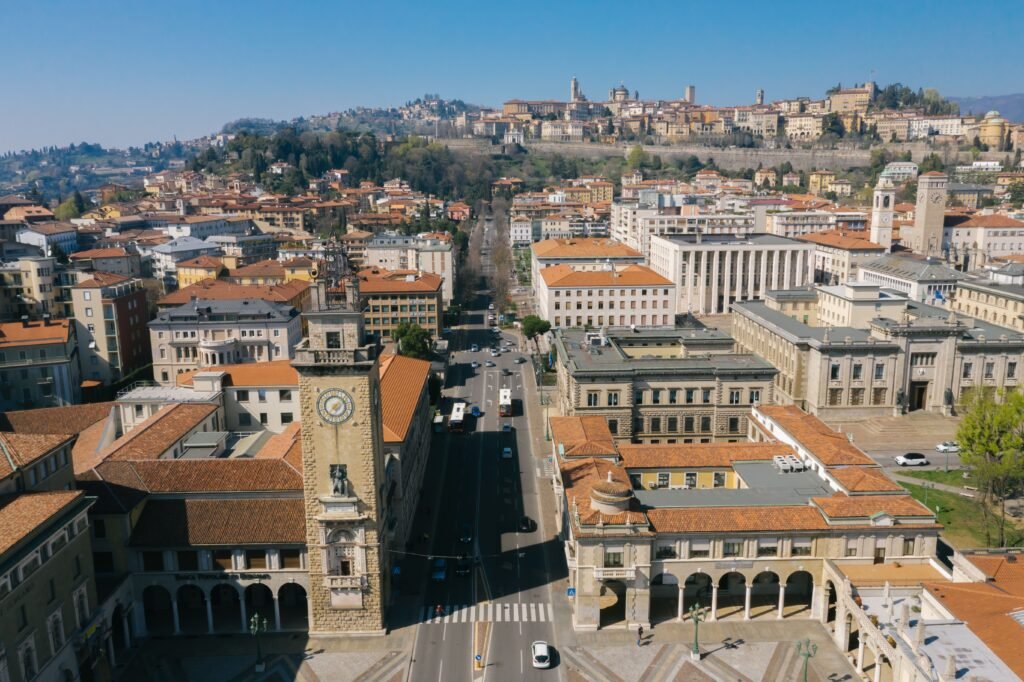
Bergamo sits less than an hour from Milan, and most travelers fly right past it on their way to Lake Como without realizing what they’re missing. The city splits into two parts: Città Bassa, the modern lower town with shops and everyday life, and Città Alta, the walled medieval upper town that feels frozen somewhere in the 1500s.
The primary allure is in riding the 139-year-old funicular railway up to the majestic Città Alta to stroll across the vast, stone-paved Piazza Vecchia. From there, you can explore the 12th-century Basilica di Santa Maria Maggiore and marvel at its astonishingly opulent Baroque tapestries and gilded carvings that easily rival Venetian landmarks.
The Basilica of Saint Mary Major and the attached Colleoni Chapel are stunning, packed with frescoes and gilded detail. A remarkable feat of engineering awaits at the Mura Veneziane, an impenetrable six-kilometer loop of 16th-century defensive stone bastions that earned a prestigious UNESCO World Heritage designation.
The city holds a permanent place in global culinary history as the exact birthplace of stracciatella gelato, which was invented here in 1961 at the renowned La Marianna pastry shop. Additionally, the prominent 52-meter Campanone civic bell tower rings exactly one hundred times every evening at ten o’clock to signal the ancient curfew, which dates back to the era of Venetian rule.
Recommended Places to Eat:
Casoncelli Nonna Alda: Savour a steaming plate of freshly rolled, handmade casoncelli pasta tossed with crisp pancetta, melted butter, and sage.
Nonna Alda – cucina bergamasca: Try the slow-cooked savory rabbit stew prepared according to classic regional family recipes.
Il Fornaio: Famous for its thick slice of freshly baked square pizza topped with locally sourced cured meats and gorgonzola.
5. Mantua
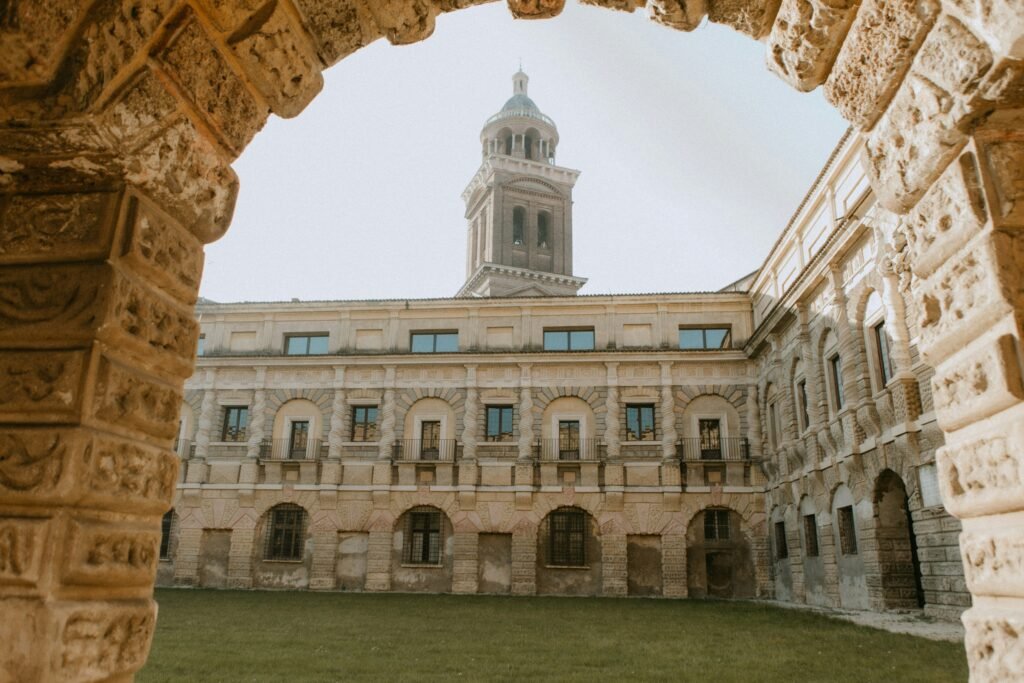
Surrounded on three sides by large artificial lakes created in the twelfth century to protect the city from invaders, this Renaissance powerhouse rises out of the water like a fairytale stone fortress. The city was ruled for generations by the immensely wealthy Gonzaga family, who transformed the urban landscape into a monumental playground for the finest artists, architects, and thinkers of the Italian Renaissance.
To truly appreciate the geography, book an afternoon boat cruise across the Lago Inferiore or Lago Superiore to view the city’s imposing skyline from across the water, especially during the summer when thousands of pink lotus flowers bloom across the surface. Back on land, spend hours exploring the vast courtyards of the Palazzo Ducale, a massive palace complex featuring over 500 rooms. Inside the Castle of San Giorgio, visitors can gaze directly at the groundbreaking Renaissance frescoes by Andrea Mantegna.
Another hidden gem is the Palazzo Te, a magnificent fantasy villa located on the southern edge of town, built as a secretive pleasure palace for the Duke. Inside this architectural masterpiece, you can stand in the Room of the Giants to view jaw-dropping, immersive frescoes that completely cover the walls and ceiling, depicting ancient mythological battles with dramatic, spinning perspectives.
Recommended Places to Eat:
Osteria dell’Oca: Try the traditional, dry risotto alla pilota cooked with rich pork sausage or the famous tender rosemary-scented lamb.
Antica Osteria Ai Ranari: Taste the robust, slow-cooked horse meat pot roast served with yellow cornmeal polenta, followed by crunchy sbrisolona cake.
Osteria La Bottega: Don’t miss the savory capunsei bread gnocchi melted in sage butter, or choose the tender steak that melts in your mouth.
6. Matera
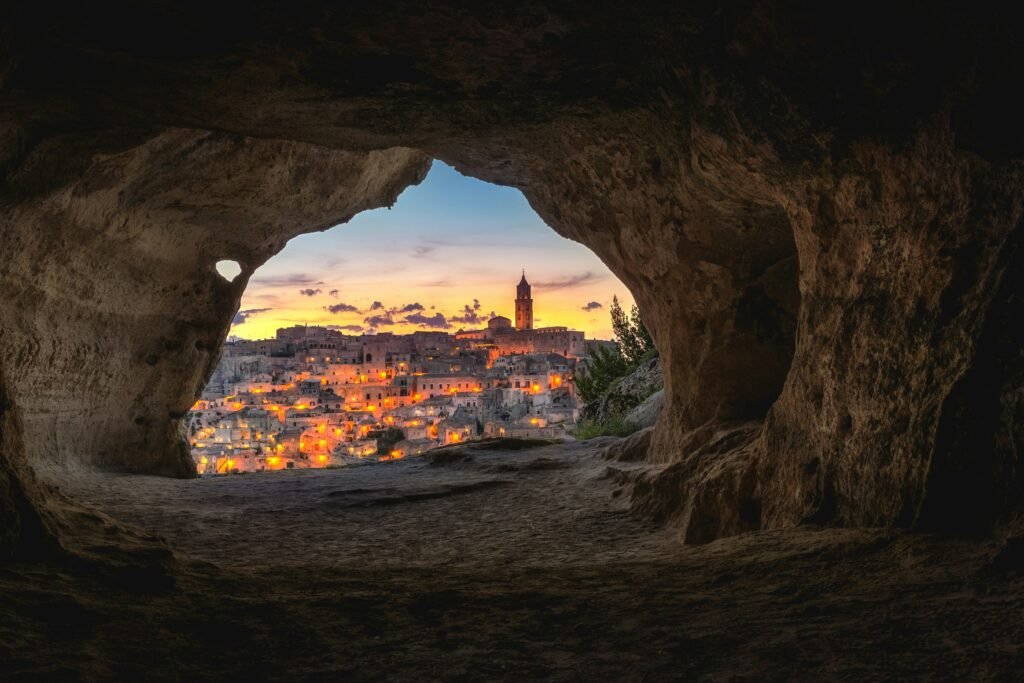
Matera looks like nowhere else in Italy, or honestly, nowhere else on Earth. The city’s famous Sassi districts, Sasso Caveoso and Sasso Barisano, are made up of homes and churches carved directly into calcarenite stones, some of them inhabited continuously since the Paleolithic era.
By the 1950s, these caves had been condemned due to poor living conditions, and the area was nearly abandoned before a major restoration turned it into a UNESCO World Heritage Site and one of Italy’s most striking destinations.
Walking through the Sassi today, you’ll find cave hotels, cave restaurants, and cave churches with frescoes still intact on the rock walls inside. Casa Grotta di Vico Solitario is a furnished cave-house museum where you can step inside and see exactly how a family, along with their farm animals, once lived in a single cave room. Across the ravine sits the Murgia Materana Park, home to even older rupestrian churches carved straight into the rock, reachable by a footbridge and a hike that rewards you with the best photo angle of the entire Sassi skyline.
Matera became a global film location after starring in the James Bond movie “No Time to Die,” and at night, when the caves light up against the dark hillside, it’s easy to see why directors keep choosing it. A genuine hidden gem is wandering to the edge of Sasso Caveoso toward Rione Casalnuovo, where uninhabited caves still sit untouched, giving you a raw, unrestored glimpse of what the whole city looked like before tourism arrived.
Recommended Places to Eat:
Trattoria del Caveoso: Famed for the handmade orecchiette pasta tossed with savory local veggies and cheese.
Osteria MateraMì: The traditional troccolo pasta loaded with fresh eggplant, local sausage, and a generous dollop of creamy burrata.
La Lopa: Try the slow-cooked crapiata, a rich and hearty traditional legume and grain soup prepared according to ancient local harvest recipes.
7. Lecce
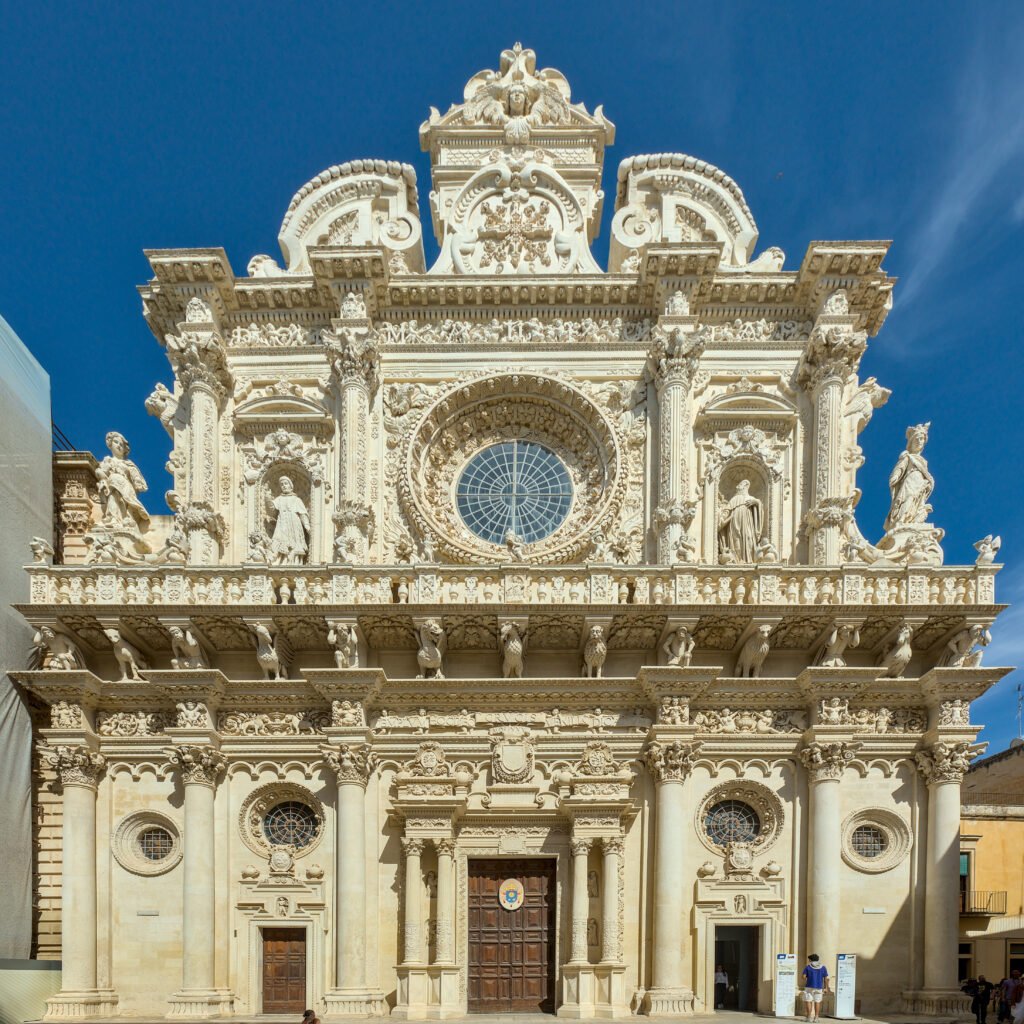
Tucked at the southern tip of Italy’s heel, Lecce gets nicknamed “the Florence of the South,” and once you see its over-the-top Baroque architecture, you’ll understand exactly why. The historic center, Basilica di Santa Croce, is built from a soft local limestone called pietra leccese, which carvers have shaped into wildly decorative facades like mythical beasts and cherubs. It is considered the city’s architectural masterpiece.
Piazza del Duomo is the heart of the old town, a grand square enclosed by the cathedral, the bishop’s palace, and a bell tower you can climb for views over the entire city. Right in the center of Piazza Sant’Oronzo, you’ll also find the Roman Amphitheatre, a partially excavated arena from the 2nd century AD.
Lecce sits close enough to Italy’s southern coastline that you can pair city sightseeing with beach days, with the clear turquoise water near Torre dell’Orso and the Grotta della Poesia sea cave both reachable within about half an hour by car.
Lecce possesses a deeply rooted tradition of daytime street food and a distinct coffee culture born from centuries of hot Mediterranean summers. It remains globally famous for inventing caffè leccese, a refreshing beverage, and rustico leccese, a savory pastry stuffed with mozzarella, tomato, and béchamel.
Recommended Places to Eat:
Mezzo Quinto: Try the incredibly rich, slow-simmered horse meat ragù pasta or their legendary home-style baked eggplant parmigiana.
TAULA: Savor an authentic, freshly baked puccia sandwich stuffed to the brim with local cured meats, burrata cheese, and marinated vegetables.
Osteria 203: Relish the traditional clay-pot stewed octopus in pignata or their handmade meatballs cooked in a rich, savory tomato sauce.
The true magic of Italy lies just beyond the edges of the crowded guidebooks. Skip the familiar tourist tracks and be surprised by the network of vibrant, living communities where history is still written in the local dialect and the beauty still feels surreal. Yes, the echoes of centuries past still linger softly in these waters, waiting for a traveler like you who knows how to slow down and listen.







Leave a Reply