
The planet is filled with landscapes that seem almost unreal—vast rainforests, deep rivers, towering cliffs, and unique rock formations shaped over thousands or even millions of years. In 2011, a global campaign organised by the New7Wonders Foundation announced a list of the New 7 Wonders of Nature, highlighting some of the most remarkable natural sites on Earth.
After millions of votes from across the globe, seven destinations were selected for their unique landscapes, biodiversity, and cultural significance. These places continue to attract travellers, researchers, and nature lovers who want to experience the diversity of Earth’s natural environments.
Here is a closer look at the New 7 Wonders of Nature and what makes each one special.
1. The Amazon Rainforest, South America
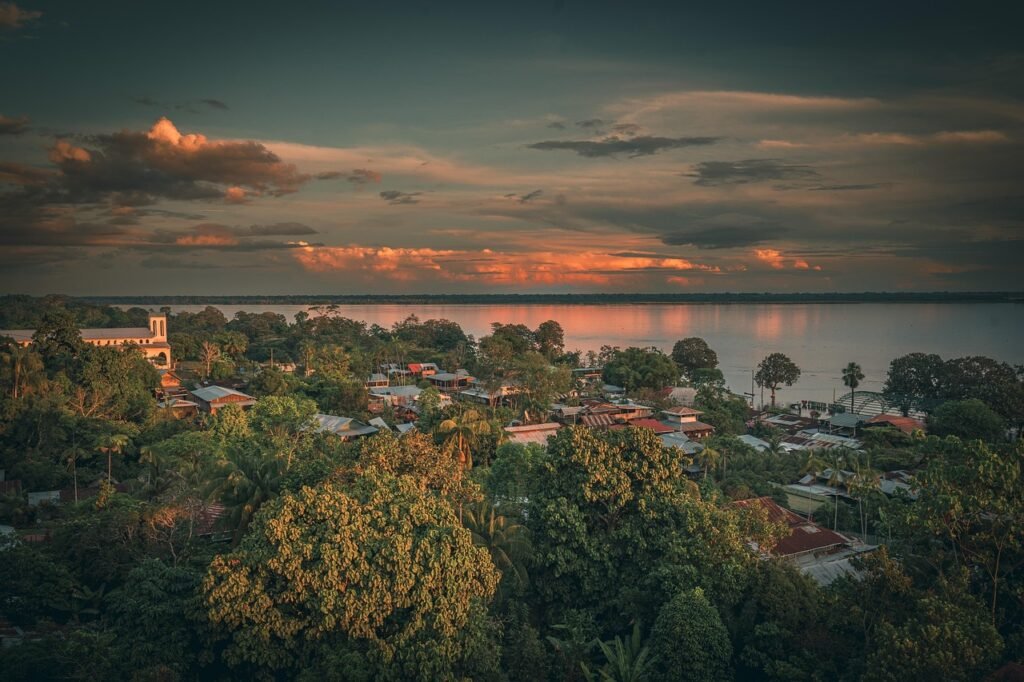
The Amazon Rainforest is the largest tropical rainforest in the world, stretching across nine countries in South America, including Brazil, Peru, and Colombia. Covering roughly 5.5 million square kilometres, it plays a crucial role in regulating the Earth’s climate and supporting biodiversity.
The Amazon is home to an estimated 10 percent of the world’s known species. Thousands of plants, insects, birds, and animals thrive within its dense forests and winding rivers. Iconic wildlife such as jaguars, pink river dolphins, sloths, and macaws are part of its ecosystem.
Beyond its biodiversity, the Amazon is also home to many indigenous communities who have lived in harmony with the forest for generations. Their traditional knowledge helps scientists understand the rainforest’s delicate balance.
Visitors often explore the region through river cruises, guided jungle walks, and wildlife excursions. However, conservation remains a major priority, as deforestation continues to threaten this globally important ecosystem.
2. Ha Long Bay, Vietnam
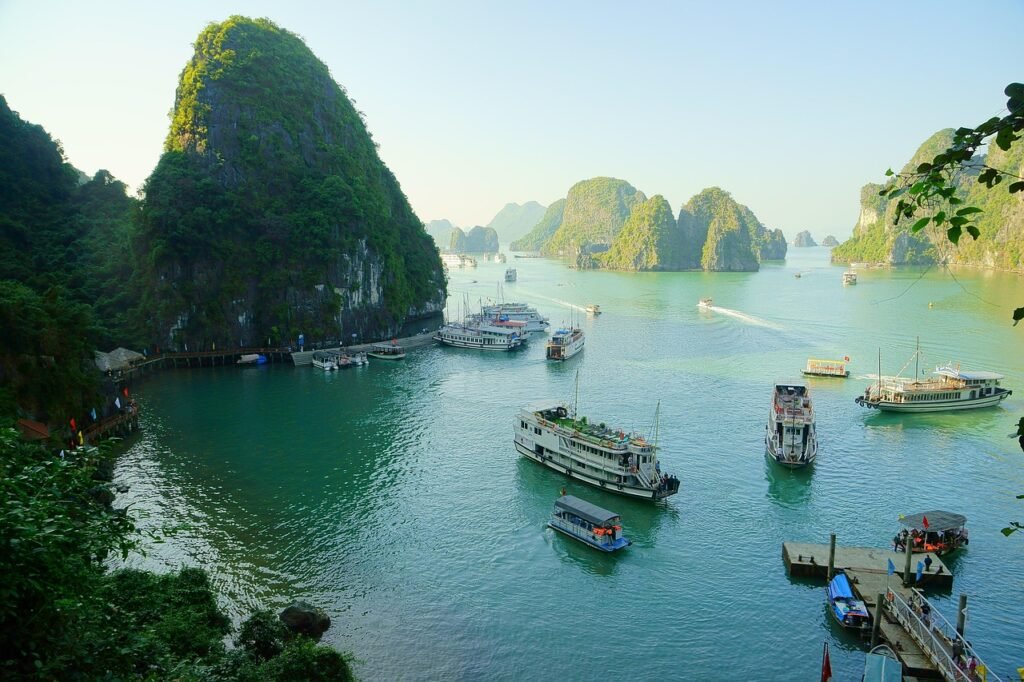
Located in northern Vietnam, Ha Long Bay is famous for its dramatic seascape of limestone islands rising from emerald waters. The bay contains nearly 2,000 limestone karsts and islets that were shaped over millions of years through erosion.
The landscape looks almost otherworldly, especially in the early morning when mist drifts between the rocky formations. Many of the islands contain caves, lagoons, and hidden beaches, adding to the sense of discovery.
Halong Bay is also recognised as a UNESCO World Heritage Site because of its geological value. The limestone formations reveal millions of years of natural history and coastal evolution.
Travellers typically explore the bay on overnight cruises, which allow time for kayaking, cave exploration, and visits to floating fishing villages. The calm waters and scenic surroundings make it one of Southeast Asia’s most memorable natural destinations.
3. Iguazu Falls, Argentina and Brazil
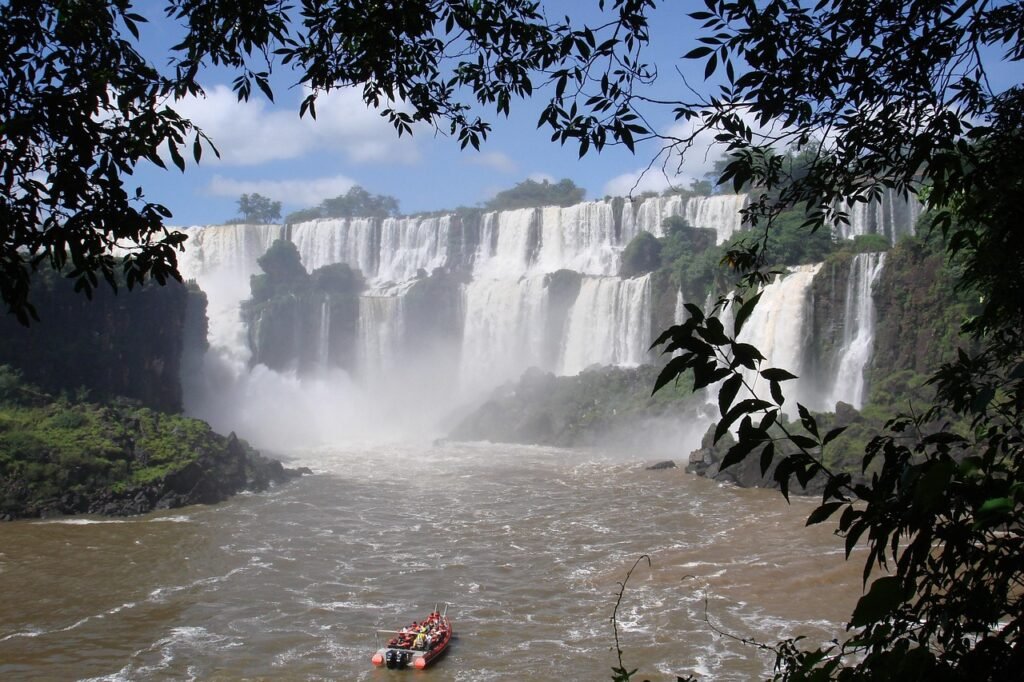
Straddling the border between Argentina and Brazil, Iguazu Falls is one of the most powerful waterfall systems in the world. The falls consist of around 275 individual cascades spread across nearly three kilometres.
The most dramatic section, known as the “Devil’s Throat,” sends enormous volumes of water plunging into a deep gorge below. The constant roar of water and rising mist create rainbows that often appear above the falls.
Surrounded by lush rainforest, Iguazu Falls is also part of a protected national park that supports wildlife such as toucans, butterflies, coatis, and monkeys.
Viewing platforms on both the Argentine and Brazilian sides offer different perspectives of the falls, allowing visitors to appreciate the scale and power of this natural wonder.
4. Jeju Island, South Korea
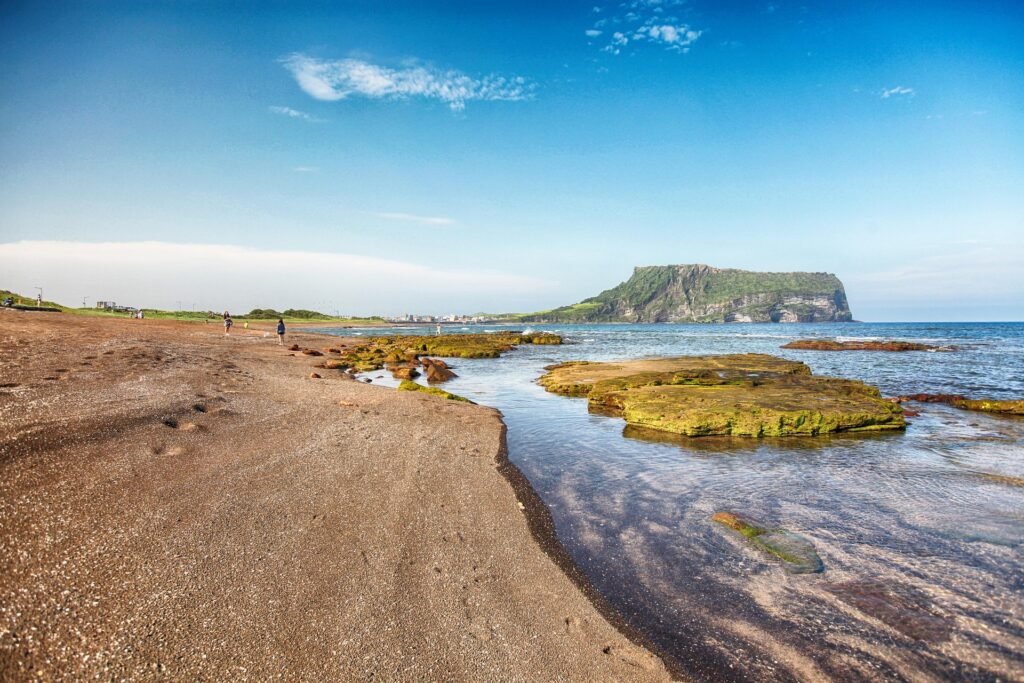
Jeju Island, located off the southern coast of South Korea, is a volcanic island known for its dramatic landscapes and unique geological features.
At the centre of the island stands Hallasan, South Korea’s highest mountain and a dormant volcano surrounded by national park land. Lava tubes, volcanic craters, and rugged coastal cliffs reflect the island’s volcanic origins.
One of the most famous geological features is the Manjanggul Lava Tube, one of the longest lava tunnels in the world. Formed thousands of years ago, it provides a fascinating look at volcanic processes.
Jeju is also culturally significant. It has long been a popular destination for Korean travellers and is known for its traditional villages, local seafood, and the famous “haenyeo” female divers who harvest seafood without oxygen tanks.
5. Komodo Island, Indonesia
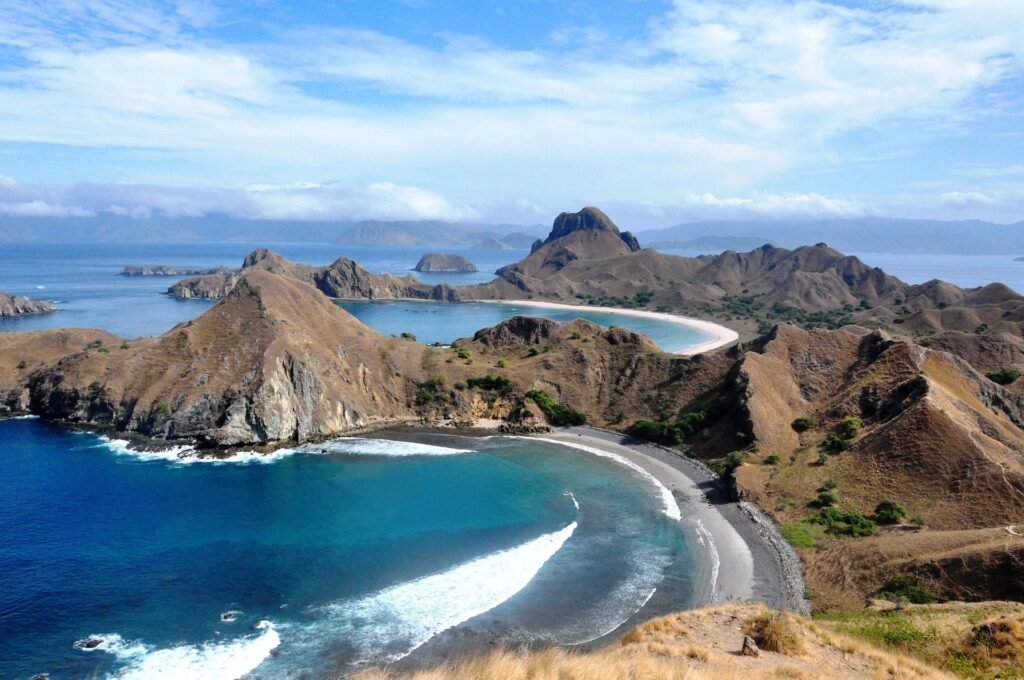
Part of Komodo National Park in Indonesia, Komodo Island is best known as the natural habitat of the Komodo dragon, the largest lizard species in the world.
These powerful reptiles can grow up to three metres long and are found only in this part of Indonesia. The national park was established to protect the species and its surrounding ecosystem.
Beyond the dragons, Komodo National Park includes rugged hills, savannah landscapes, and pristine coral reefs. The waters surrounding the islands are considered among the most biodiverse marine environments in the world.
Diving and snorkelling in the park reveal colourful coral gardens, manta rays, and tropical fish, making the area popular among underwater enthusiasts.
6. Puerto Princesa Underground River, Philippines
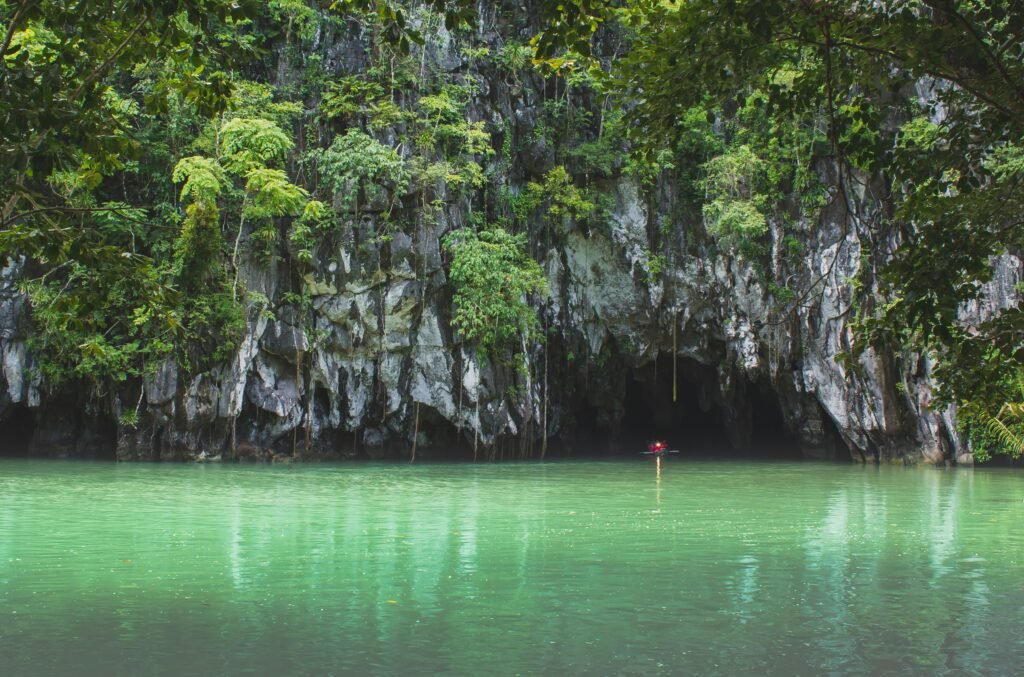
In Philippines, the Puerto Princesa Subterranean River National Park on the island of Palawan contains one of the longest navigable underground rivers in the world.
The river flows for more than eight kilometres through a limestone cave system before reaching the sea. Visitors can take small boats into the cave, where dramatic rock formations hang from the ceiling.
Stalactites and stalagmites create intricate shapes that have formed slowly over thousands of years. Inside the cave, the silence is occasionally broken by the sounds of bats and swiftlets that live within the cavern.
The surrounding national park protects forests, mangroves, and coastal ecosystems, making the region important for both conservation and scientific research.
7. Table Mountain, South Africa

Rising above the city of Cape Town, Table Mountain is one of the most recognisable natural landmarks in South Africa. Its flat summit stretches across several kilometres, giving the mountain its distinctive table-like shape.
The mountain forms part of Table Mountain National Park, which is known for its rich biodiversity. The region is part of the Cape Floristic Region, one of the world’s most diverse plant habitats.
More than 2,000 plant species grow here, many of which are found nowhere else on Earth. Small wildlife such as rock hyraxes, birds, and reptiles also inhabit the area.
Visitors can reach the summit by hiking or by taking a rotating cable car that offers sweeping views of Cape Town, the Atlantic Ocean, and nearby beaches.
The New 7 Wonders of Nature highlight the diversity of landscapes that exist across the planet. Each of these places represents a different ecosystem, shaped by geological forces and protected through conservation efforts.
For travellers, visiting these places offers more than just scenic views. It is also an opportunity to learn about ecosystems, wildlife, and the importance of protecting environments that have taken millions of years to form.
Explore the world’s most beautiful places, but also protect them so the future generations can appreciate them too.









Leave a Reply