

Remote work has changed the way we travel. Instead of rushing through a country in a few days, many people now choose to slow down, settle in, and actually live somewhere new for a while. That’s where digital nomad visas come in. These visas make long stays possible without bending rules or worrying about border runs. You get time to work, explore, build routines, and get to know a place beyond the usual tourist stops.
More countries are opening their doors to remote workers, each offering its own version of flexibility, lifestyle, and requirements. Some give you a year, others let you stay even longer. Some are built for beach lovers, others for people who enjoy big cities or mountain views. Here are 10 places that will make your work days fun!
1. Spain
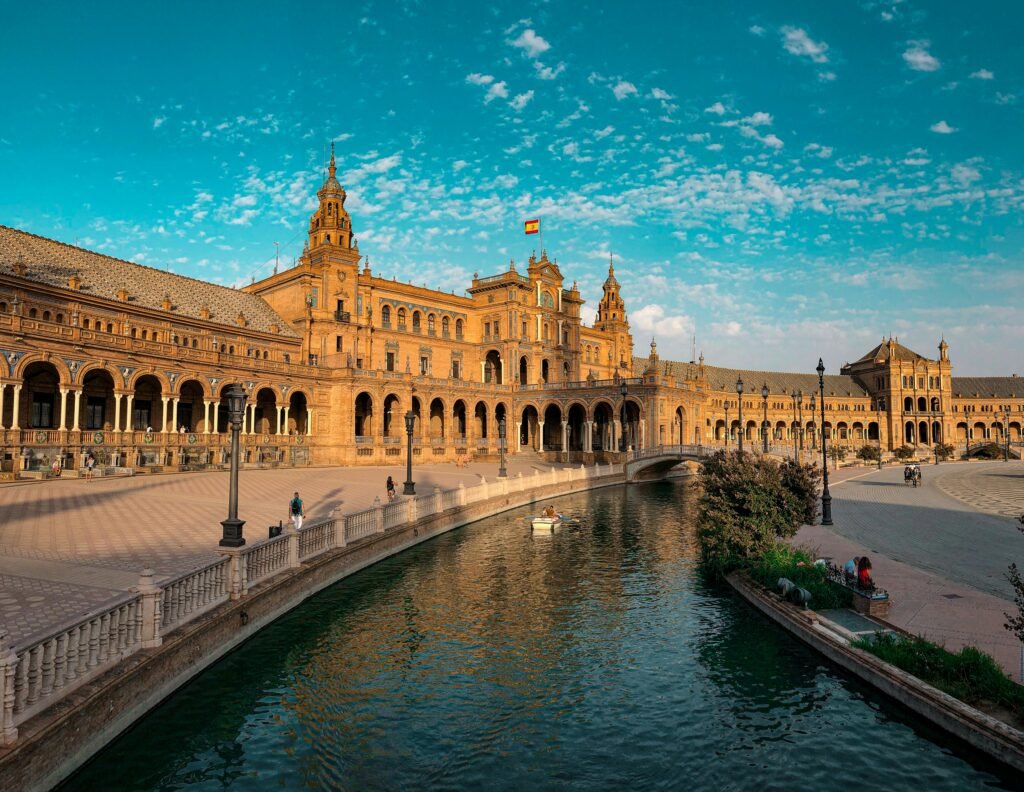
Spain is a country of warm sunlight, lively markets, winding streets, and a rich history—and now, a perfect base for remote work. Its Digital Nomad Visa is designed for non-EU residents who want to live in Spain while working for companies or clients outside the country. The visa can be granted for one year initially (when applying from your home country), or up to three years if you apply from within Spain, and it can be renewed to a cumulative limit of five years.
To qualify, you must show a stable remote income. You’ll also need private health insurance, a clean criminal record, proof that your employer or clients are mostly non-Spanish, and documents such as contracts, payslips or bank statements. After your visa is approved, you’ll need an NIE (Foreign ID number), which helps you access local services.
Once you’re settled, you’ve got options. Madrid and Barcelona offer buzzing coworking scenes, cultural events, and great transport links. But if you want a more relaxed pace, Valencia or Málaga are excellent picks — lower costs, quieter rhythms, and coastal charm. Groceries are affordable, public transport is efficient, and Spain’s late-evening culture leaves plenty of time after work to explore. Weekends can be spent exploring historic towns like Córdoba, or hopping on a train to Granada to wander Alhambra or enjoy tapas.
2. Portugal

Portugal feels like a cozy mix of pastel-tiled streets, Atlantic breezes, and old-world charm and it’s very remote-work–friendly. Its D8 Digital Nomad Visa is meant for non-EU remote workers or freelancers. There are two main types: a temporary-stay visa (valid up to 12 months) and a residence permit (which can be renewed and extended).
For savings, you must prove you have at least 12 times the minimum wage saved in a Portuguese bank. Other requirements: proof of remote employment (or freelancing contracts) from non-Portuguese sources, a criminal record check, travel medical insurance, and proof of accommodation (like a lease or a year-long booking). Once in Portugal, you’ll want a NIF (tax ID) and a local bank account as these help with residency formalities.
Lisbon or Porto are great for nomads: plenty of coworking spaces, cafés, and a steady stream of colleagues and expats. But you might also appreciate smaller towns like Cascais, Lagos, or Coimbra, where life is slower and more affordable. For travellers, weekends in Portugal are memorable. Drive down the coast to the Algarve for beaches, or head north to the Douro Valley for vineyards and hills. The Portuguese rail network is efficient, so you can weave between cities and the countryside easily.
3. Estonia
Estonia is quiet, efficient, deeply digital so it’s no surprise that its Digital Nomad Visa is a popular choice for remote workers who like structure and smart infrastructure. The visa lets you stay up to one year, working for a company registered outside Estonia or freelancing for clients mostly abroad.
To apply, you need to show that you really work remotely — either with an employment contract, or a business/client list — plus proof of steady income. You also need travel or health insurance, a valid passport, proof of accommodation, and documents about your professional background. Many government services are online, so once you’re there, banking, registration, and bureaucratic tasks are smoother than in many places. The visa process itself (interview, paperwork) is relatively quick — many apply via Estonian embassies.
Estonia also has a solid digital community: coworking hubs, meetups, and local tech events. Because of its small size, it’s easy to build both professional networks and friendships. In your free time, spend days exploring Tallinn’s old town — the cobblestone streets, medieval walls, and quiet squares or you can take short trips to Lahemaa National Park for forest walks, or to the islands of Saaremaa and Hiiumaa for peace, windmills, and coastal solitude.
4. Greece
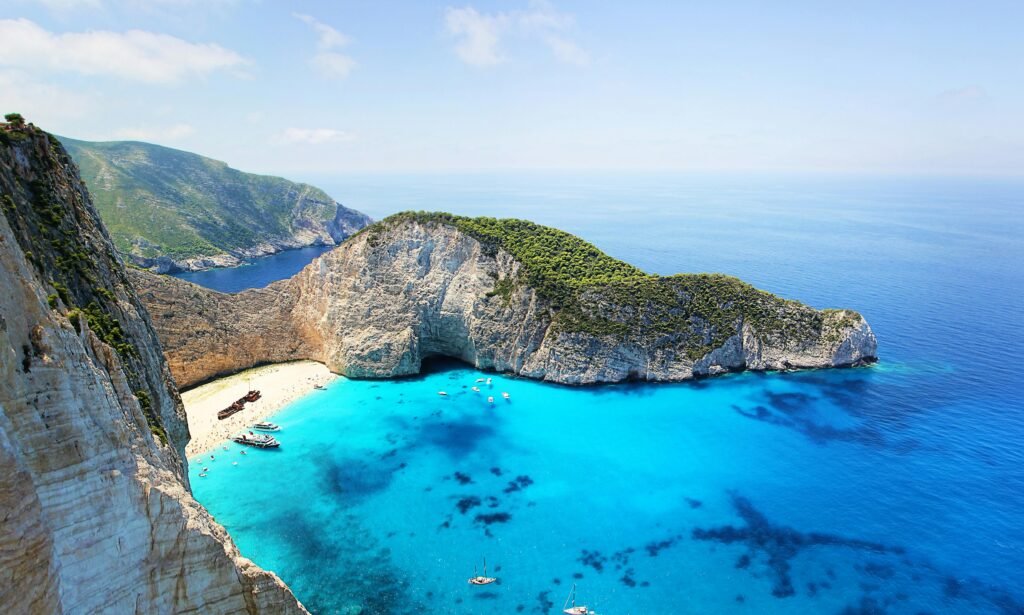
Greece blends ancient history, island life, and a relaxed pace making it a comfortable base for remote workers. The Greek Digital Nomad Visa allows non-EU citizens to stay for up to 12 months, with the option to turn it into a two-year residence permit. The requirements are a valid remote job or freelance contracts with non-Greek clients, health insurance, a clean criminal record, proof of accommodation, and a minimum monthly income.
Athens or Thessaloniki work well if you want solid coworking spaces, fast internet, and year-round city life. If you prefer something quieter, Crete or Rhodes have stable infrastructure and long-term rental options, especially outside peak summer months. Greece is budget-friendly depending on where you stay and mainland cities tend to be more affordable than island hotspots.
On weekends, you can join island-hopping ferries, explore ancient sites like Delphi or Nafplio, or take easy getaways to seaside towns like Loutraki. The visa gives you enough time to build a routine while enjoying a country that encourages slow, meaningful living.
5. Italy
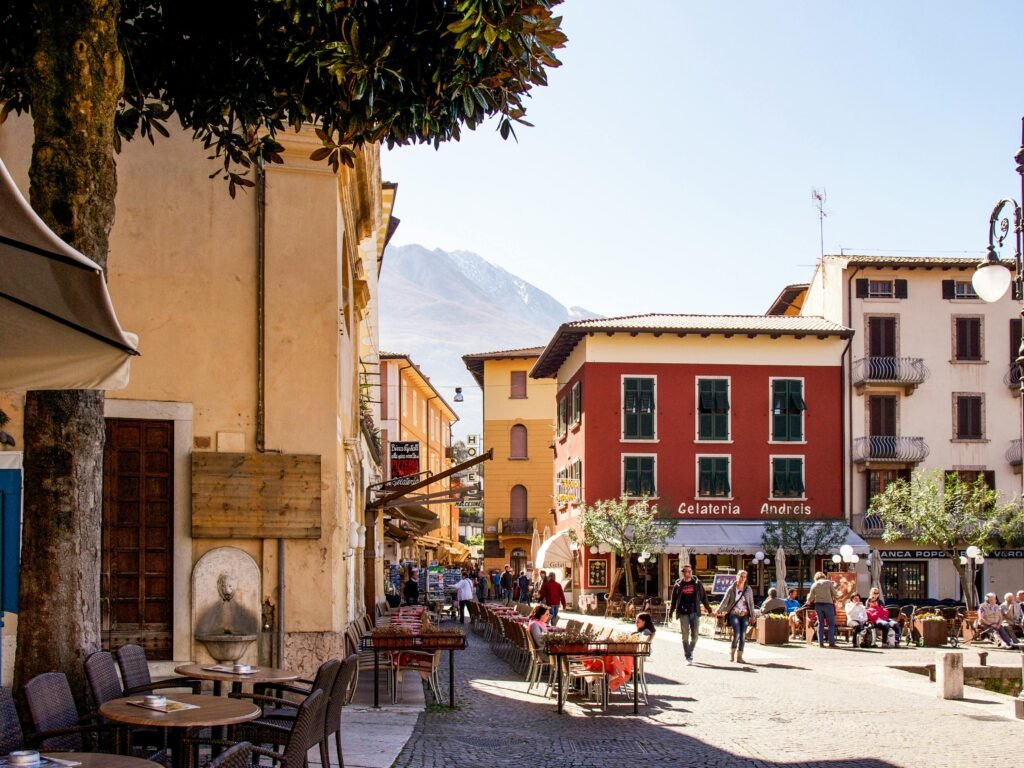
Italy can feel like living inside a rich patchwork of food, culture, neighbourhood life, and constantly surprising landscapes. Italy’s Digital Nomad Visa is aimed at skilled professionals working for employers or clients outside Italy. It grants one year of residency, with renewals possible. You’ll need proof of stable remote income (generally above the national minimum threshold), health insurance, a clean criminal record, accommodation documentation, and evidence of your professional background.
Many nomads start in Milan, where coworking spaces and transport networks make settling in easy. Rome, Florence, and Turin also offer lively communities and strong infrastructure. If you prefer a slower, quieter pace, consider Bologna, Lecce, Bari, or the small towns of Tuscany and Umbria — these regions give you more space, better prices, and a gentler rhythm.
Travel possibilities are endless: weekend trips to Lake Como, the Dolomites, Amalfi Coast, or smaller regions like Emilia-Romagna for food-focused escapes. Trains make moving between cities easy, and short flights open the door to the rest of Europe.
6. Croatia
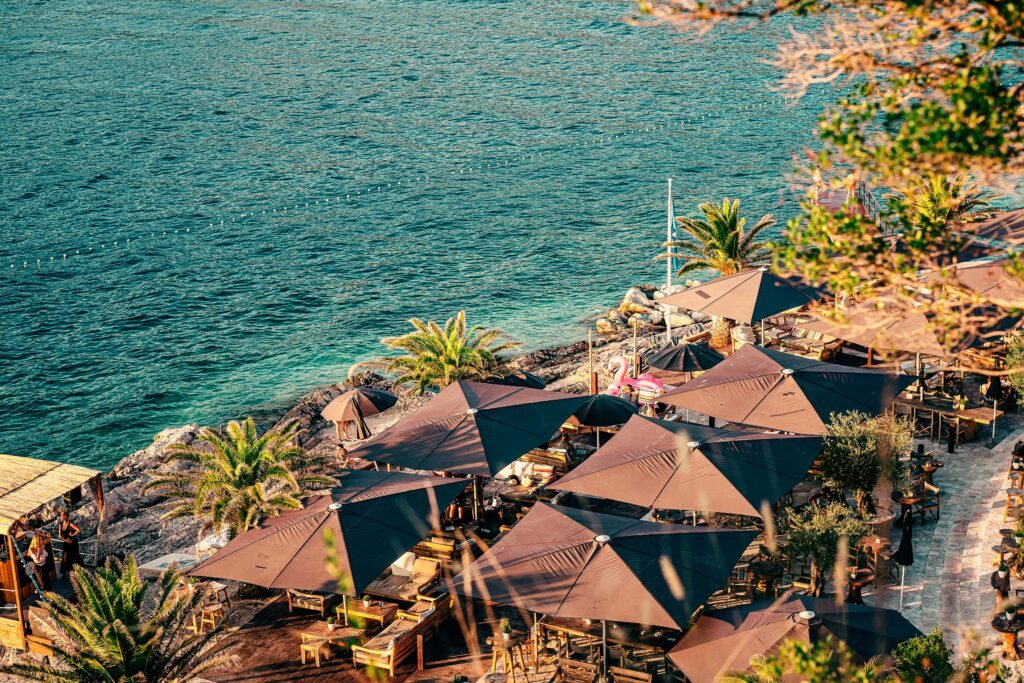
Croatia’s lifestyle supports both productivity and exploration. The Digital Nomad Residence Permit allows remote workers to stay for up to 18 months and is not renewable consecutively (but you can reapply after a break). Requirements include proof of foreign employment or freelancing work, health insurance, a clean criminal record, accommodation proof, and a minimum monthly income threshold (which is updated yearly).
Zagreb is the top choice for digital nomads — affordable, walkable, and full of cafés suited for long work sessions. If you want a coastal base, Split, Dubrovnik, and Zadar are great, though prices rise significantly in summer. The café culture makes it easy to work outside your apartment, and transport networks connect major towns with national parks, islands, and scenic regions. On weekends, you can wander through Plitvice Lakes, visit the islands of Hvar or Brač, or road-trip along the Dalmatian coast.
7. United Arab Emirates (UAE)
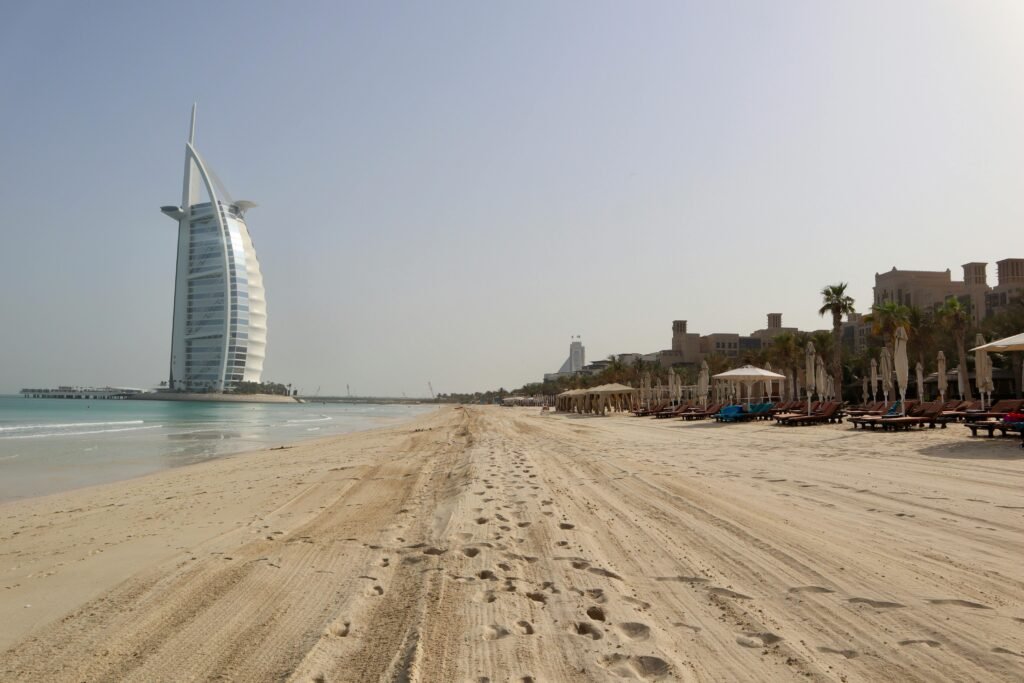
Dubai is the most popular base because of its coworking spaces, cafés, transport options, and steady expat community. The UAE’s Remote Work Visa lets you live in Dubai or other emirates for one year, renewable annually. Requirements include proof of employment or business outside the UAE, a minimum monthly income (usually around USD 3,500+), health insurance, and a passport valid for at least six months.
If you want something quieter, consider Abu Dhabi or Sharjah. Daily life in the UAE is efficient: grocery delivery apps, strong public transport, and 24/7 services simplify everything. Workwise, the country has strong internet, business-friendly spaces, and plenty of networking events. You’ll find a mix of remote workers, entrepreneurs, and industry professionals from around the world.
On weekends, you can explore desert dunes, cultural districts, theme parks, beach clubs, historic sites in Sharjah, or quick trips to Fujairah and Ras Al Khaimah. The UAE also offers short flights to Oman, Jordan, India, and other regional destinations.
8. Germany
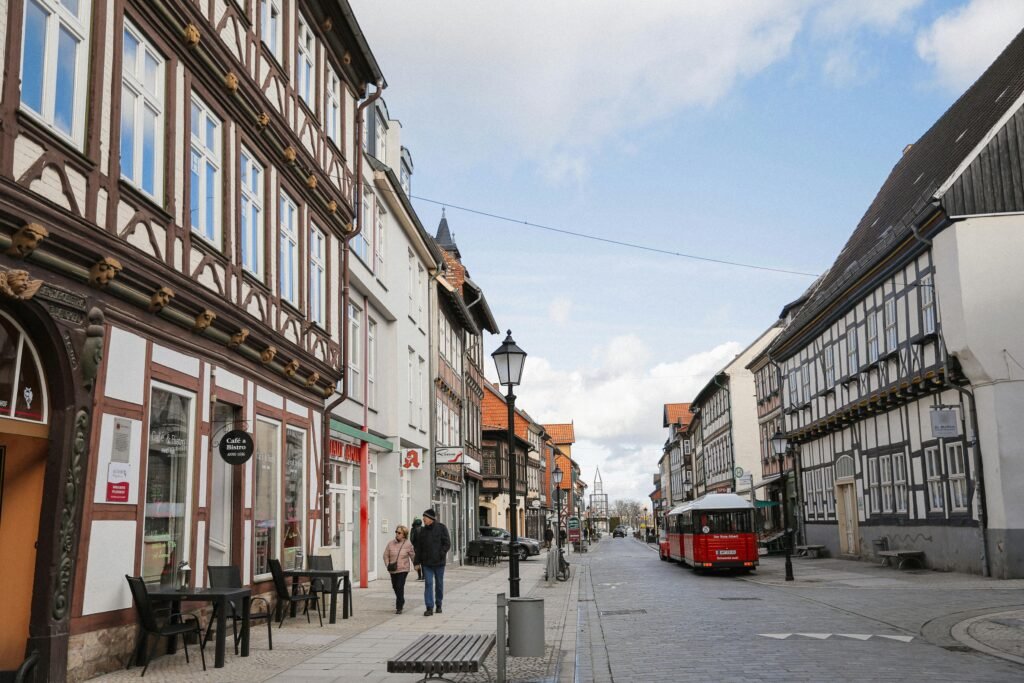
Germany offers long-stay options for freelancers and remote workers, often called the Freelance Visa (Freiberufler Visa). Requirements include proof of remote or freelance work, financial stability, accommodation, health insurance, and a clean background check. Daily life in Germany is structured. Public transport is reliable, biking lanes are everywhere, and neighbourhood shops make it easy to settle into a routine.
Berlin is the top choice for nomads — creative, well-connected, filled with coworking spaces, and full of international communities. Munich, Karlsruhe, and Hamburg offer a more polished lifestyle, while Leipzig and Cologne are good alternatives with lower living costs and strong cultural scenes.
Germany is perfect for weekend travel. Trains connect you to lakes, forests, small medieval towns, and other countries like Austria, Czech Republic, and France within hours. Cultural life is rich — galleries, music events, local festivals, and food markets fill your free time.
9. Norway

Norway is one of the most peaceful and visually striking countries you can base yourself in, and it offers a pathway for remote workers through its Independent Contractor Visa. It isn’t a classic digital nomad visa, but it works well for freelancers who want to live and work here legally. You’ll also need proof of accommodation, health insurance, and the ability to support yourself without relying on local employment.
Daily life is calm and structured, which makes Norway a productive place for long-term remote work. Cities like Oslo, Bergen, and Trondheim offer fast internet, reliable transport, clean neighbourhoods, and comfortable coworking spaces.
You’ll find plenty to explore without needing long travel plans. Norway’s fjords, coastal towns, rail routes, and national parks are accessible and well-maintained. You can take weekend trips to places like Flåm, Tromsø, or the Lofoten Islands, or stay closer to the city for short hikes, lakeside walks, and local food markets.
10. Barbados
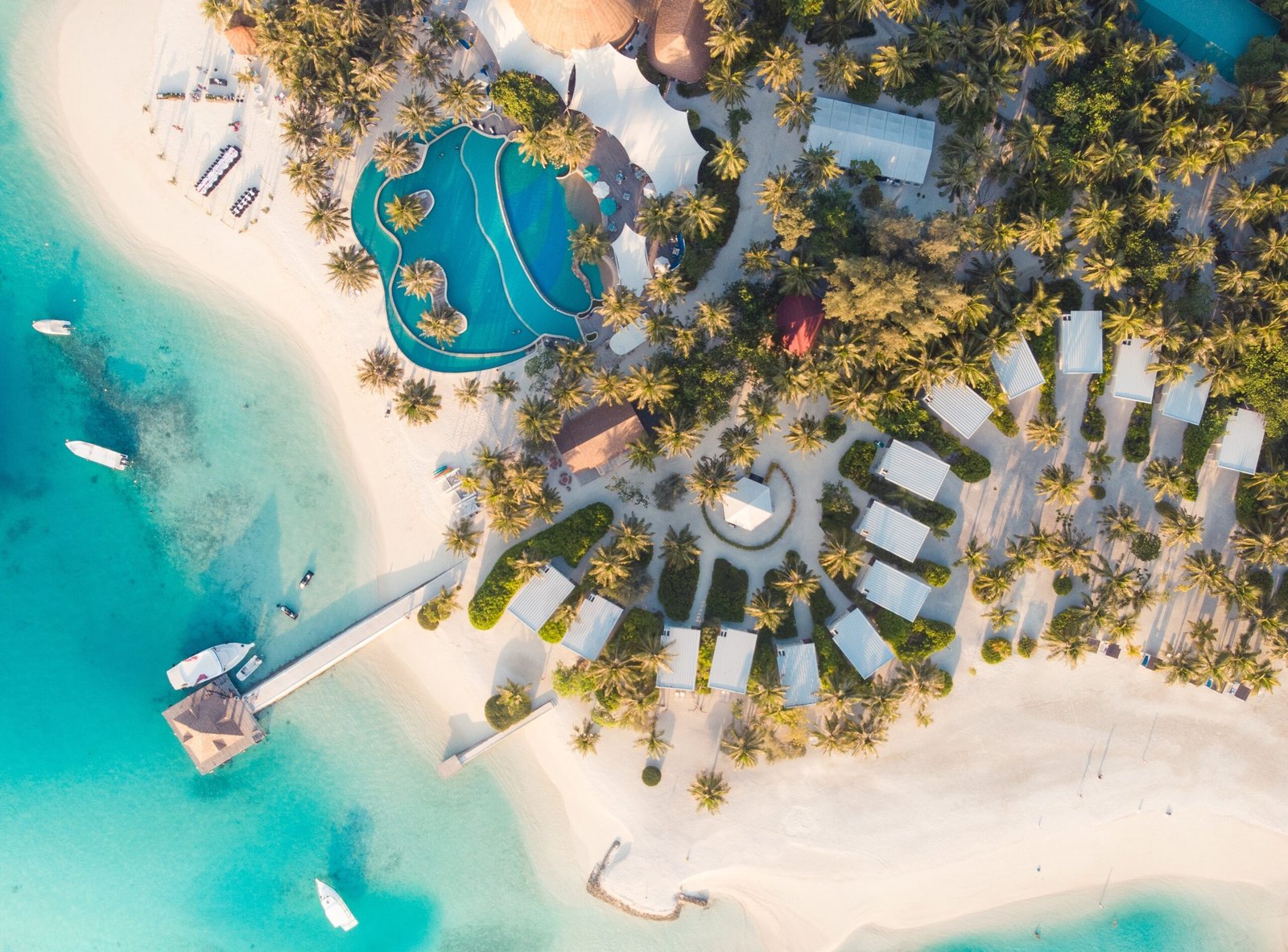
Barbados is a bright, breezy island in the Caribbean with turquoise shores, friendly locals, and a relaxed but modern life. Its Welcome Stamp visa invites remote workers to live and work on the island for up to 12 months, with the option to renew.
To apply, you need a minimum annual income, proof of employment or that you run a business outside Barbados, travel or health insurance, a valid passport, and a clean criminal record. There’s also a non-refundable application fee for individuals. Despite being an island, Barbados has a well-connected infrastructure and good internet, making remote work realistic and practical.
You can set up a daily work rhythm in cafés or coworking spaces, and unwind with beach walks, local seafood dinners, or evening gatherings under palm trees. For weekends, you could explore the scenic east coast, hike the rugged terrain of the Scotland District, or take boat trips to nearby smaller islands.





Leave a Reply